Wakodahatchee Wetlands Near Juno Beach: A Birding and Boardwalk Guide
If you want a South Florida outing that feels calm but never empty, Wakodahatchee Wetlands is a strong choice. The boardwalk brings you close to the water, and the birds do the rest.
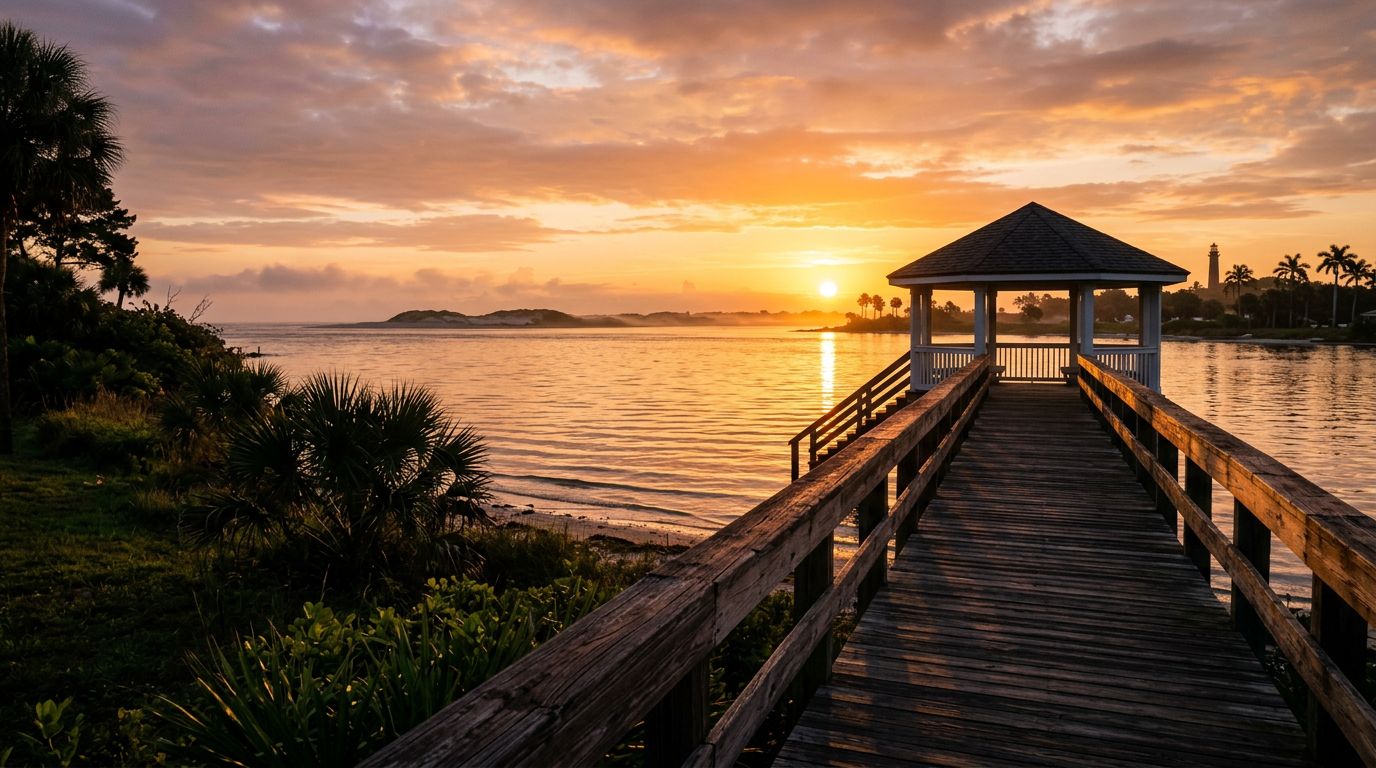
From Juno Beach, it makes an easy half-day trip when you want fresh air, open views, and a break from crowded beaches. The setting is simple, but the payoff is big, especially at sunrise.
Why Wakodahatchee Wetlands belongs on your day trip list
Wakodahatchee Wetlands sits in Delray Beach at 13270 Jog Road, and it was built on utility land that now supports a rich wetland habitat. That mix matters. Open water, marsh grass, small islands, and shallow edges attract birds all year.
The site is popular because the boardwalk keeps you right in the middle of the action without asking for a hard hike. You can move at your own pace, stop when something catches your eye, and still cover a lot of ground. For first-time birders, that makes the visit feel easy. For regular bird watchers, it makes the visit feel rewarding.
The park is also part of the Great Florida Birding Trail, and that tells you a lot. Birds nest, feed, and rest close to the walkway, so good views often come without much waiting. More than 178 bird species have been recorded here, which gives every visit a bit of surprise.
The boardwalk brings you close to the action
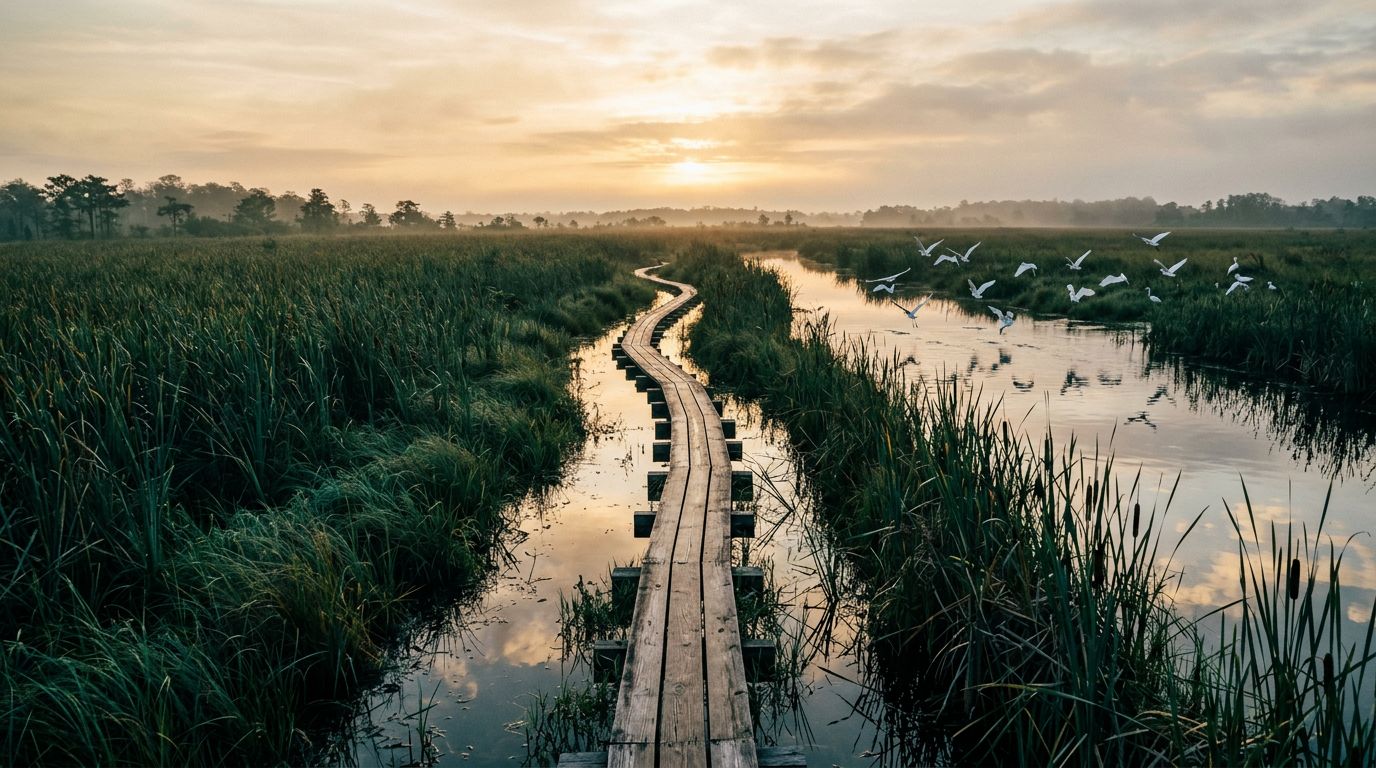
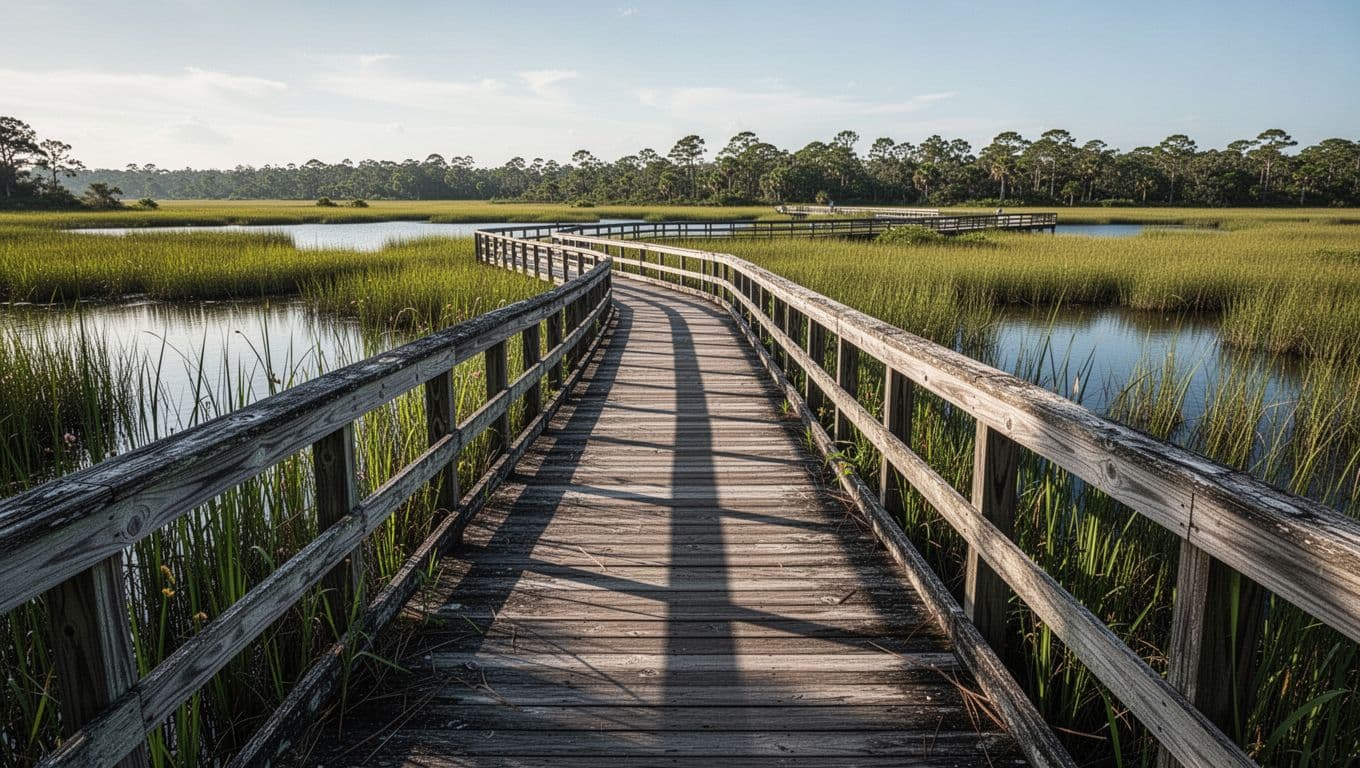
The boardwalk is the heart of the visit. It keeps your feet dry, your route clear, and your view open. Because the path sits above the marsh, you see the layers of the wetland instead of just a narrow trail edge.
That changes how the place feels. You can watch birds feeding in the water, perched on posts, or moving through the grass without fighting brush or mud. It feels more like a front-row seat than a hike.
The boardwalk also makes the wetlands more accessible for families and casual walkers. You do not need special gear or a long plan. You just need time to slow down. A child can spot a heron, a photographer can wait for a good pose, and a relaxed walker can simply enjoy the reflections.
Take your time near the viewing areas. Birds often appear in bursts, then settle again. If you walk too fast, you miss the scene changing in front of you.
The best moments here often come after you stop moving.
Birds and wildlife you're most likely to see
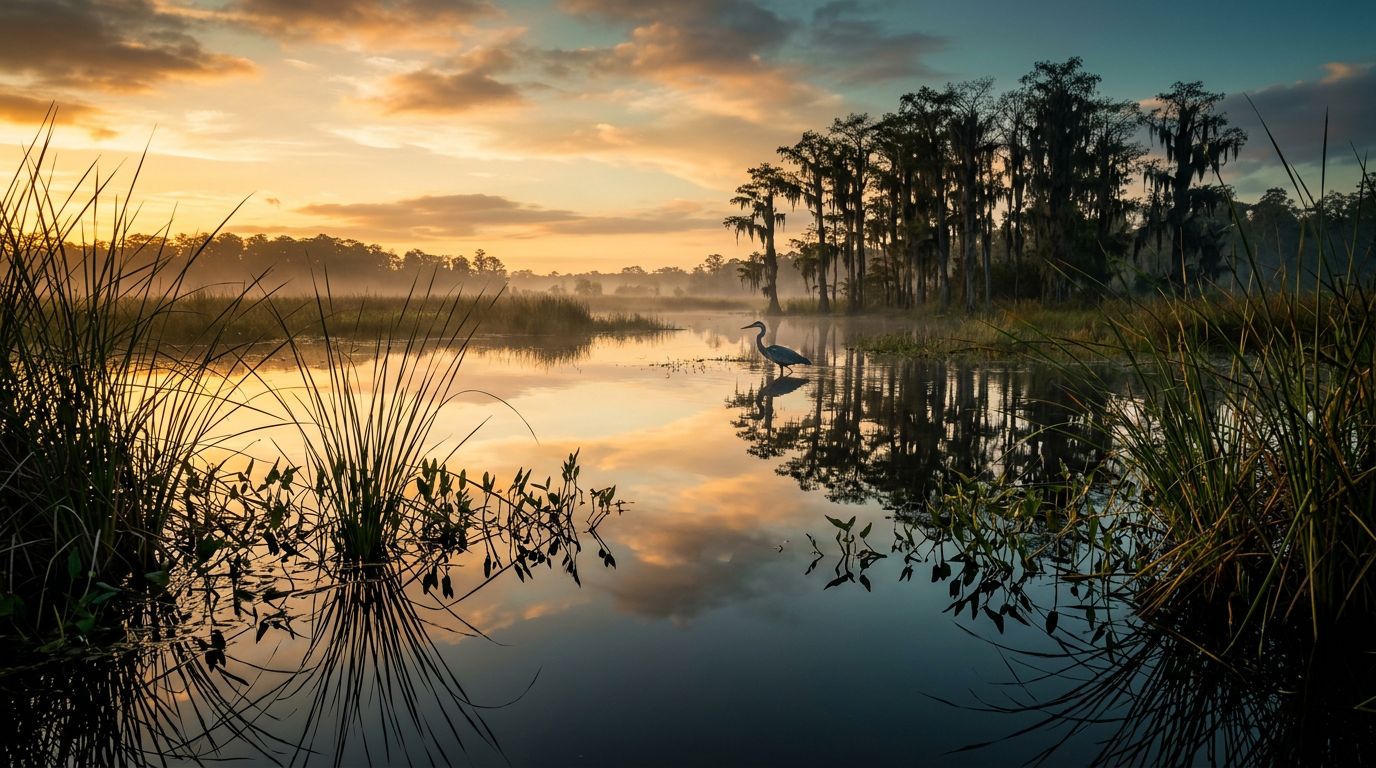
Birding at Wakodahatchee is popular because the wetland offers easy views of the species people hope to find in South Florida. Herons and egrets are common sights. Wood storks, ibises, and ducks also show up often, along with anhingas and cormorants drying their wings along the edges.
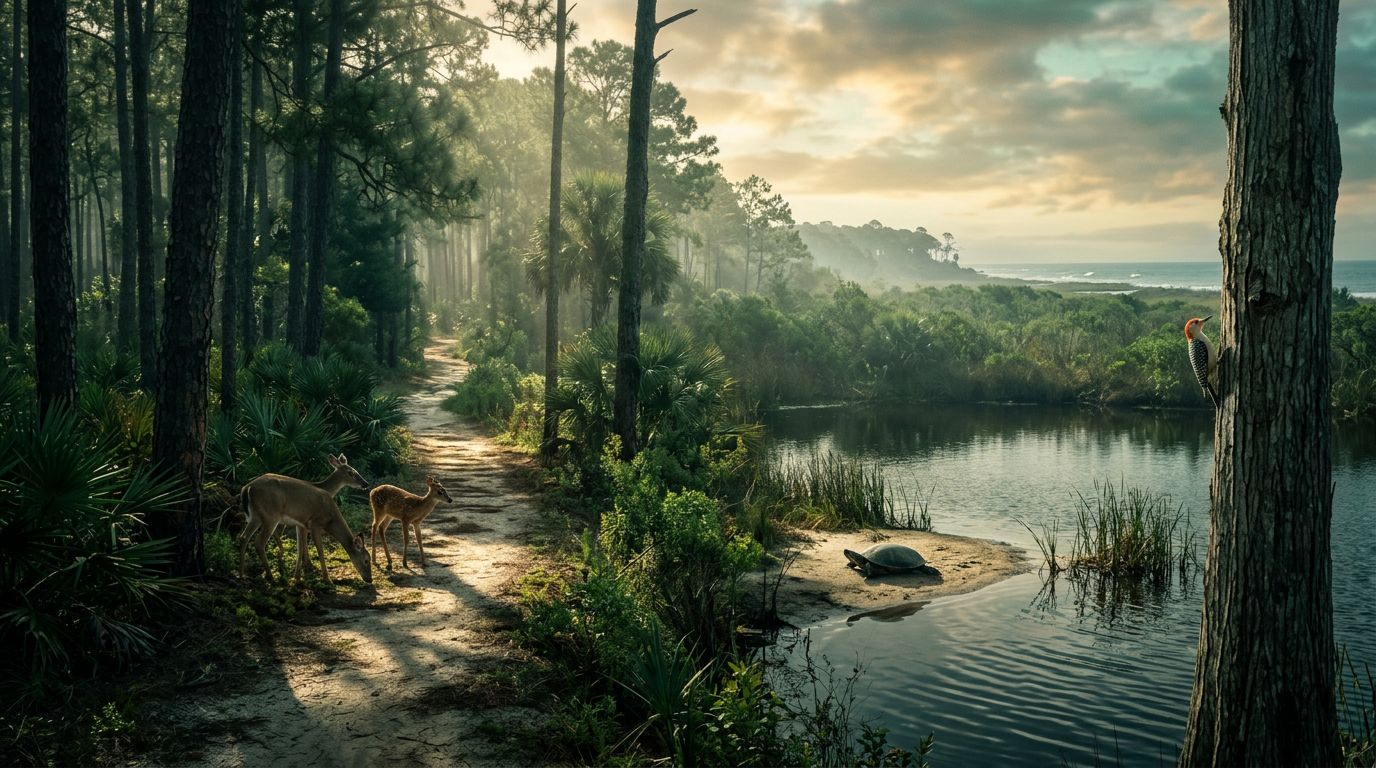
You may also notice smaller movement if you stay alert. Purple gallinules can flash bright color through the reeds. Limpkins sometimes appear in quieter spots. Turtles rest near the surface, fish ripple the water, and small alligators may hold still at the edge of the marsh.
The best approach is patient and unhurried. A lot of bird activity happens in plain view, but only if you give it a minute. Watch one area, then another. The marsh rarely stays still for long.
Bring binoculars if you have them. They help, especially when a bird is far across the water or tucked into taller grass. A camera with a zoom lens is useful too, but you do not need fancy gear to enjoy the site. The boardwalk gives you a close enough look that even a casual visit feels rich.
The best times to visit for clear views
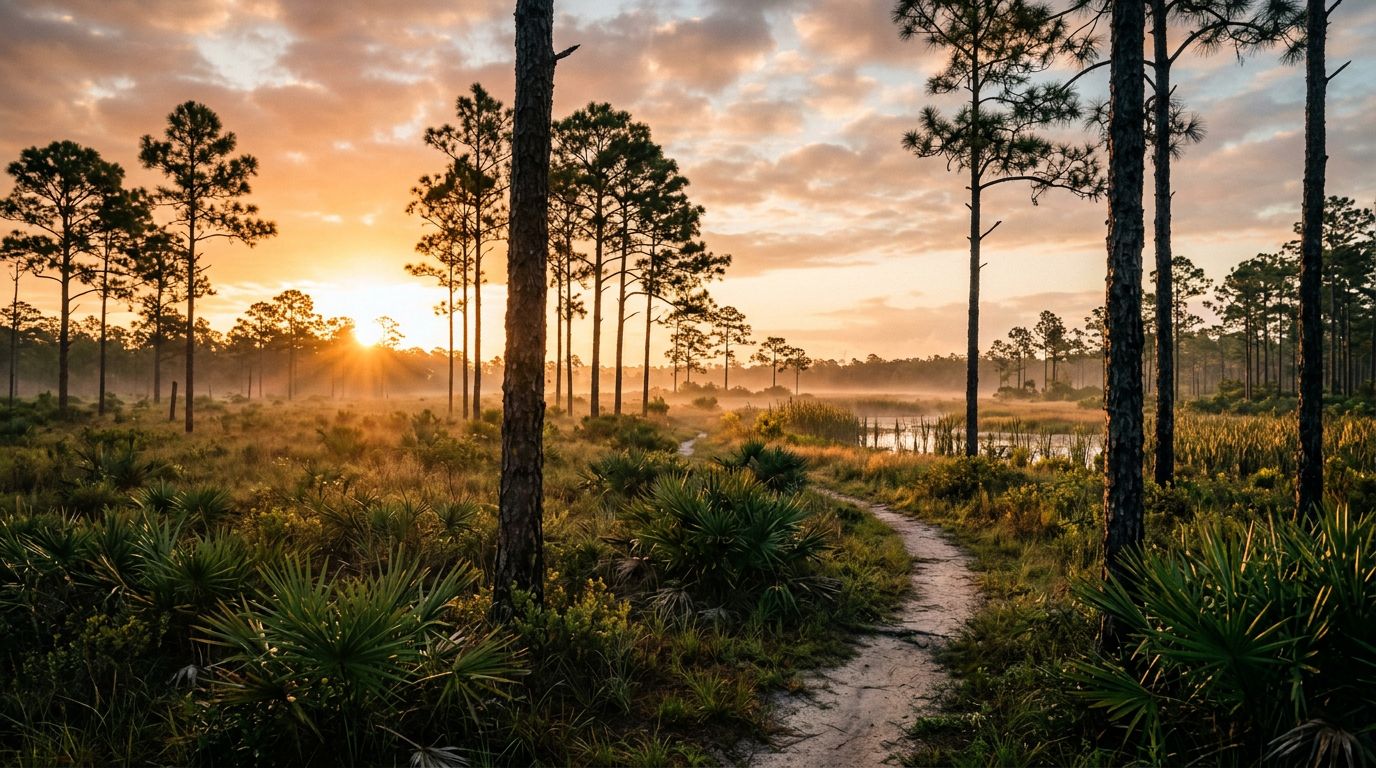
Timing shapes the visit as much as the birds do. Early morning is the best window for most people. The air is cooler, the light is softer, and birds are usually more active.
Cool fronts in winter can bring especially good viewing. Spring often adds nesting activity and young birds. Summer starts hot, so an early arrival helps a lot. Fall can feel quieter, but it still offers strong birding when the weather settles.
Here is a simple way to plan around the seasons:
| Season | What you'll likely notice | Best time of day |
|---|---|---|
| Winter | Strong bird activity and clear morning light | Sunrise to mid-morning |
| Spring | Nesting, chicks, and busy feeding | Early morning |
| Summer | Heat builds fast, birds move early | First light |
| Fall | Mixed activity and calmer weather windows | Sunrise or golden hour |
The takeaway is simple. If you want the cleanest views and the most movement, go early. If you want the most comfortable walk, avoid the hottest part of the day.
Sunrise, golden hour, and photo-friendly moments
Sunrise changes Wakodahatchee Wetlands in a way that daylight visitors sometimes miss. The water turns smooth and reflective. The marsh looks deeper in color. Birds are often active, and the whole place feels sharper.
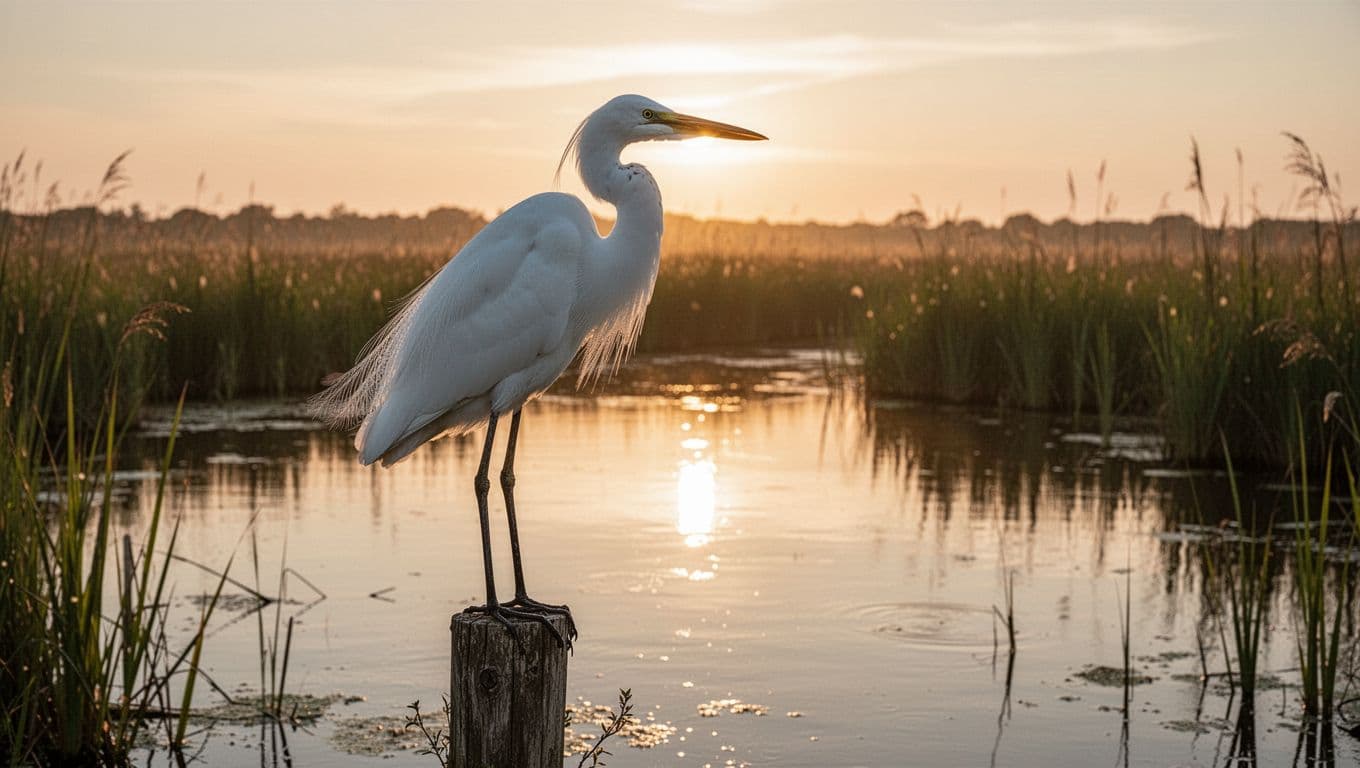
Photographers get the best results when they arrive before the sun climbs high. Side light brings out feather detail, and backlight can turn reeds and water into strong shapes. A zoom lens helps, but patience helps more. Birds do not pose on command, so let them settle before you shoot.
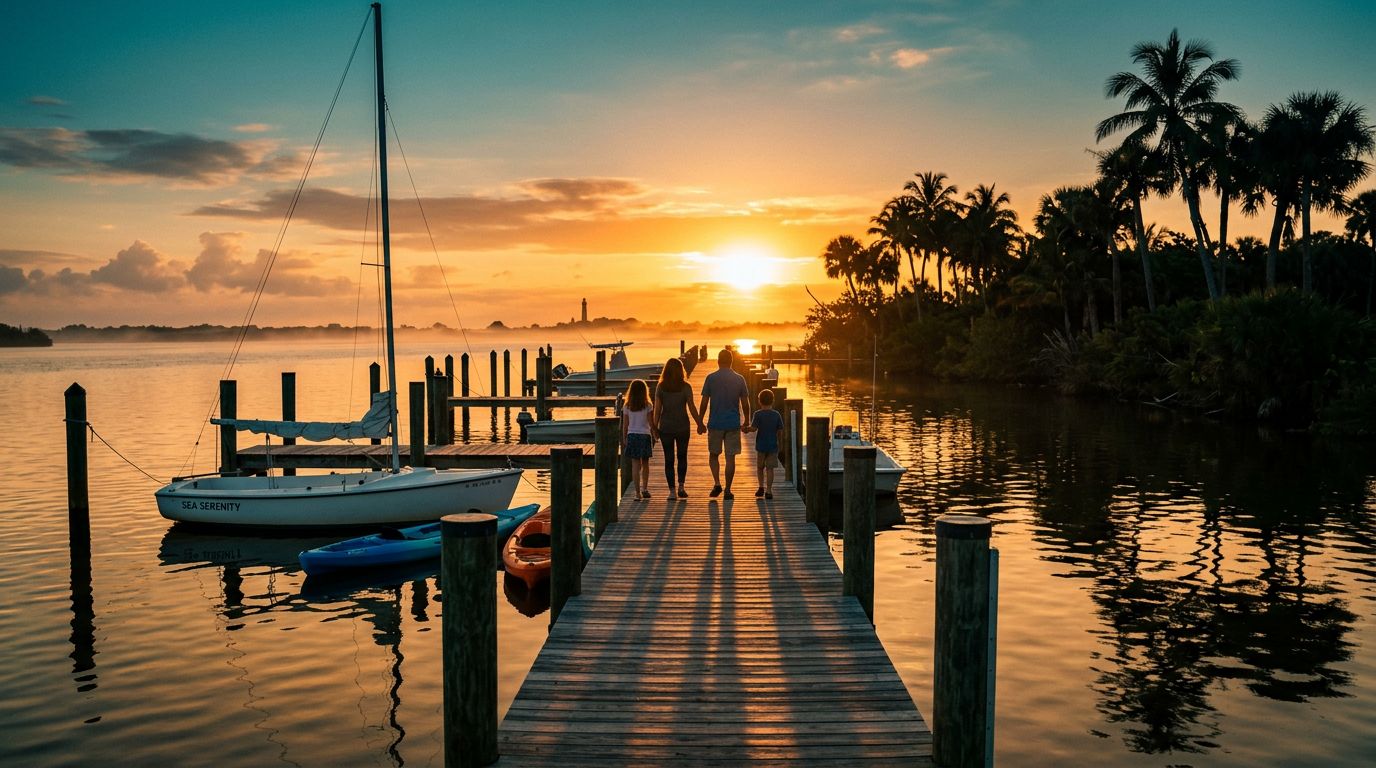
Families can use the same timing to their advantage. Early visits are cooler and calmer, which makes the walk easier for kids. Keep expectations simple. One heron, one turtle, and one good reflection can make the outing feel complete.
Casual walkers often enjoy sunrise for another reason. The boardwalk is quiet enough to hear the marsh. That low noise, plus the changing light, gives the whole visit a slower rhythm.
Simple planning tips for families and casual walkers
A good visit does not need much planning, but a few small choices help. Wear shoes with decent grip, bring water, and use sunscreen. A hat helps too, since parts of the boardwalk can feel bright once the sun is up.
If you are visiting with kids, make the walk into a search game. Ask them to look for a bird with long legs, a bird with white feathers, or a bird that is drying its wings. That keeps them engaged without turning the outing into a lecture.
For photographers, less movement is better. Step aside when you stop, stay aware of other walkers, and avoid crowding birds near nests or resting spots. For everyone else, quiet voices go a long way. The marsh rewards people who move slowly.
After the walk, a fresh lunch back in Juno Beach fits the day well. If you want to check hours or directions before heading back, contact our restaurant.
Conclusion
Wakodahatchee Wetlands gives you one of the easiest birding outings near Juno Beach. The boardwalk keeps the walk simple, while the marsh keeps it interesting.
Go early if you can. That is when the light is best, the birds are busiest, and the whole wetland feels most alive. If you want a quiet South Florida stop with real payoff, this is the kind of place that stays with you long after you leave.