Loxahatchee Slough Natural Area Near Juno Beach: Trails, Wildlife, and Quiet Views
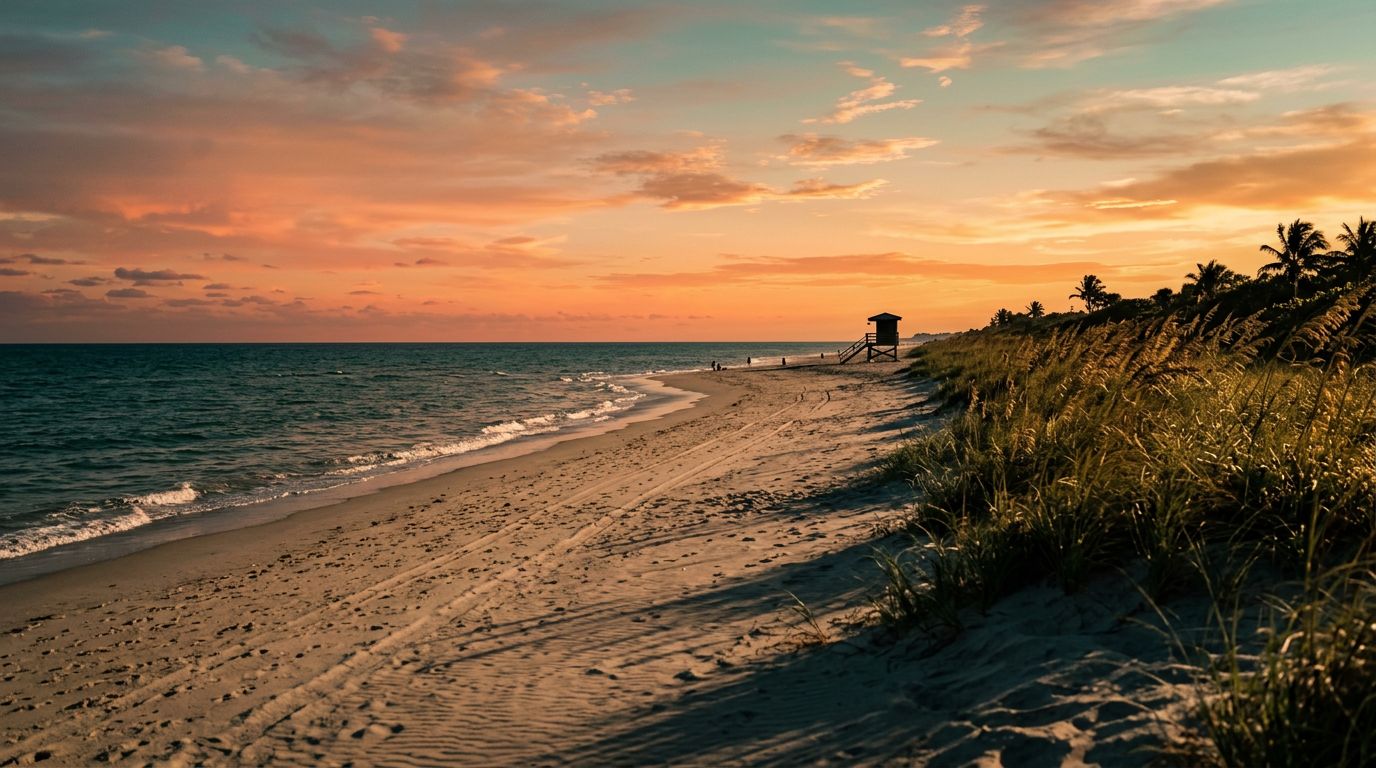
If you want a break from the sand without leaving South Florida nature behind, Loxahatchee Slough Natural Area is an easy place to put on your list. It feels calm and open, even though it sits within a short drive of Juno Beach. Bird watchers, casual hikers, and anyone who likes still water and wide sky will find plenty to enjoy here. A little planning helps, so this guide keeps the visit simple.
What Makes It a Good Day Trip from Juno Beach
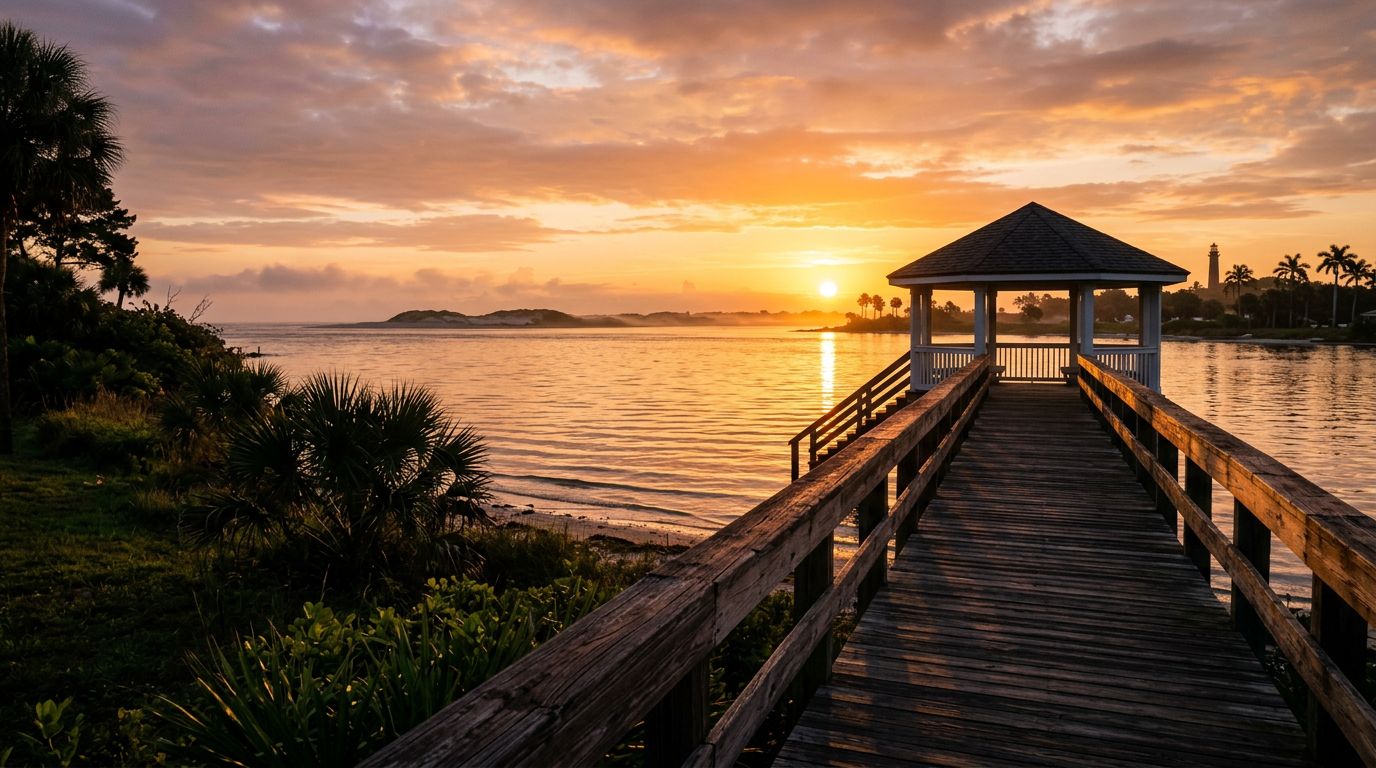
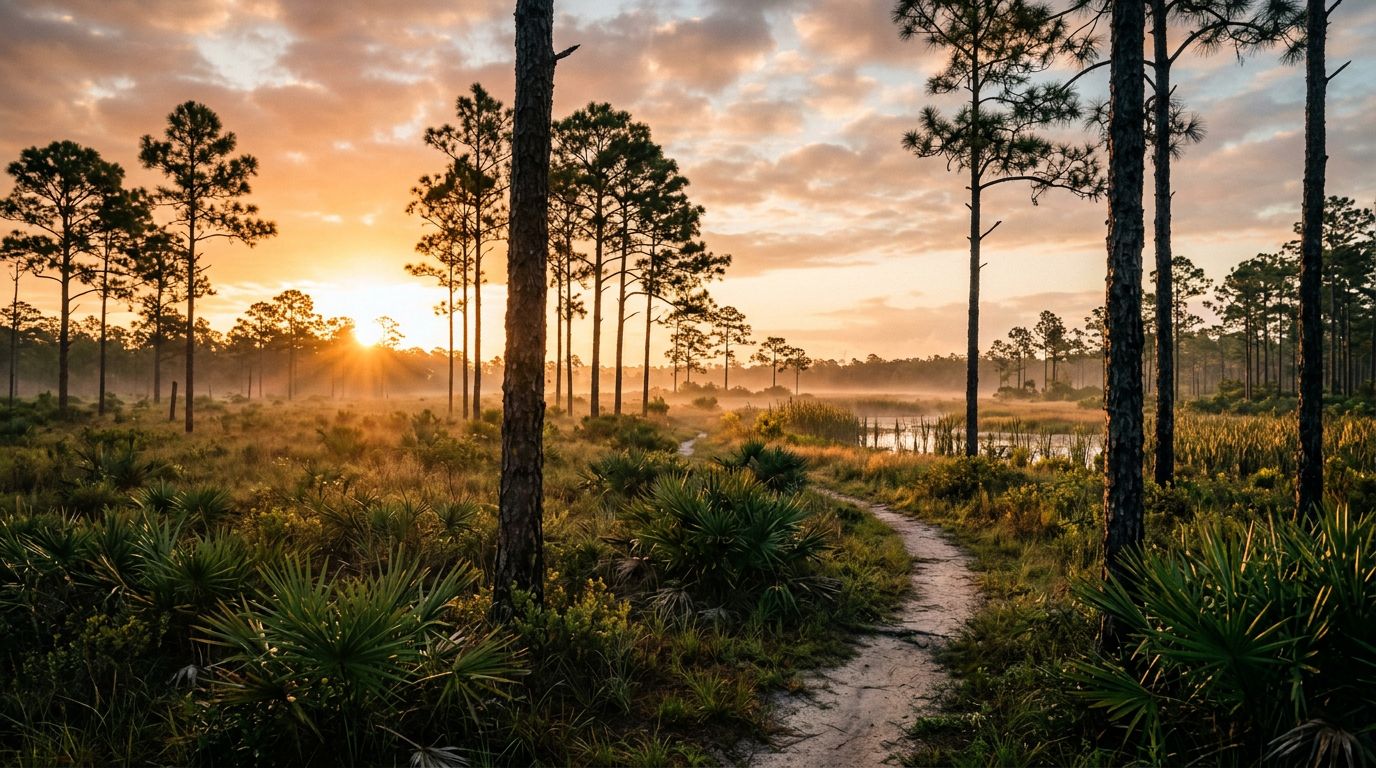
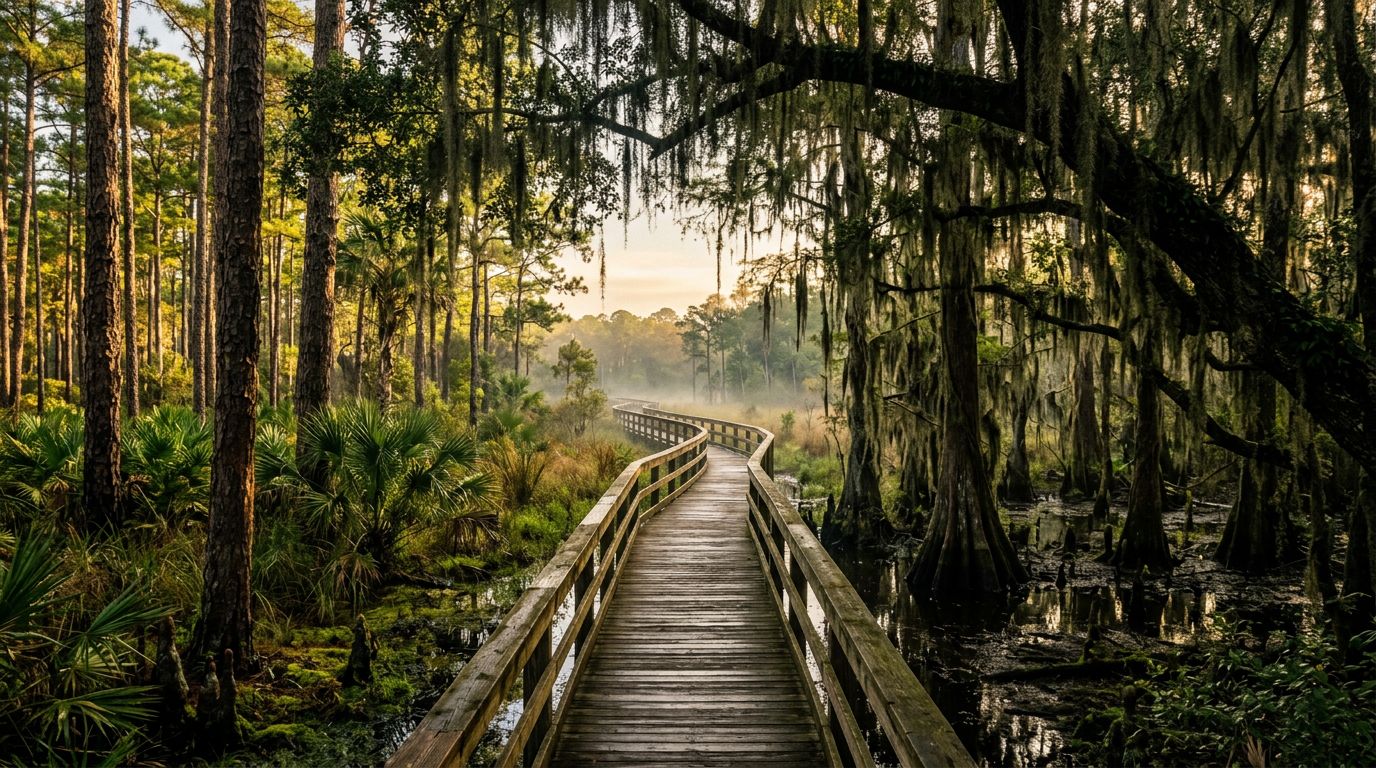
Loxahatchee Slough Natural Area gives you a different South Florida feel from the coast. Instead of waves and beach traffic, you get wetlands, flatwoods, marsh edges, and long open views. On a calm morning, the place can feel almost still. Birds carry most of the sound, and the sky seems bigger than it does near the shoreline.
That quieter setting is why it works so well as a day trip from Juno Beach. It fits people who like to walk, watch birds, take photos, or spend time outside without a busy schedule. You do not need a packed itinerary here. You need a bit of time, a little patience, and a willingness to notice small changes in the land.
If you want a nature stop that feels easy and low-pressure, this one checks the box. It is also a good choice when the beach feels too hot, too crowded, or too loud. For many visitors, that slower pace is the point.
Hiking and Exploring the Trails
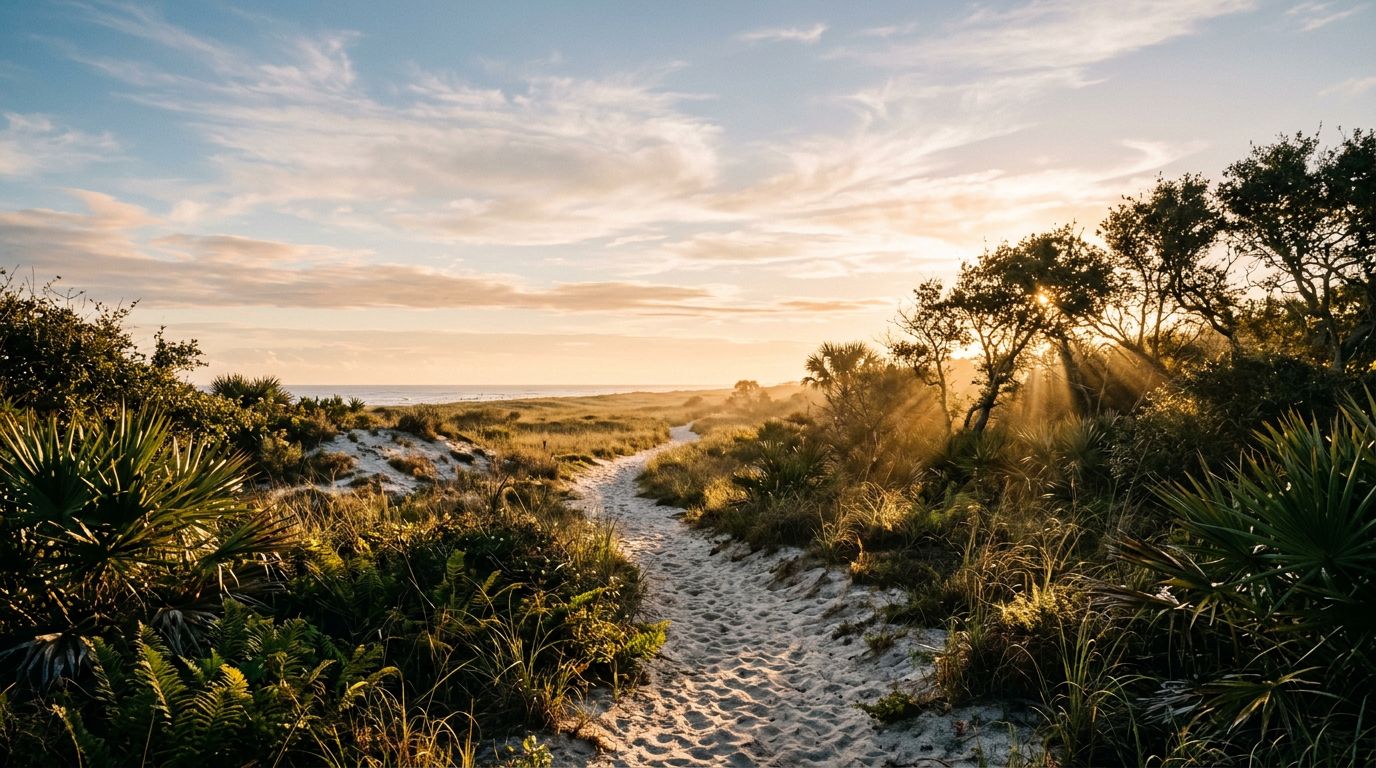
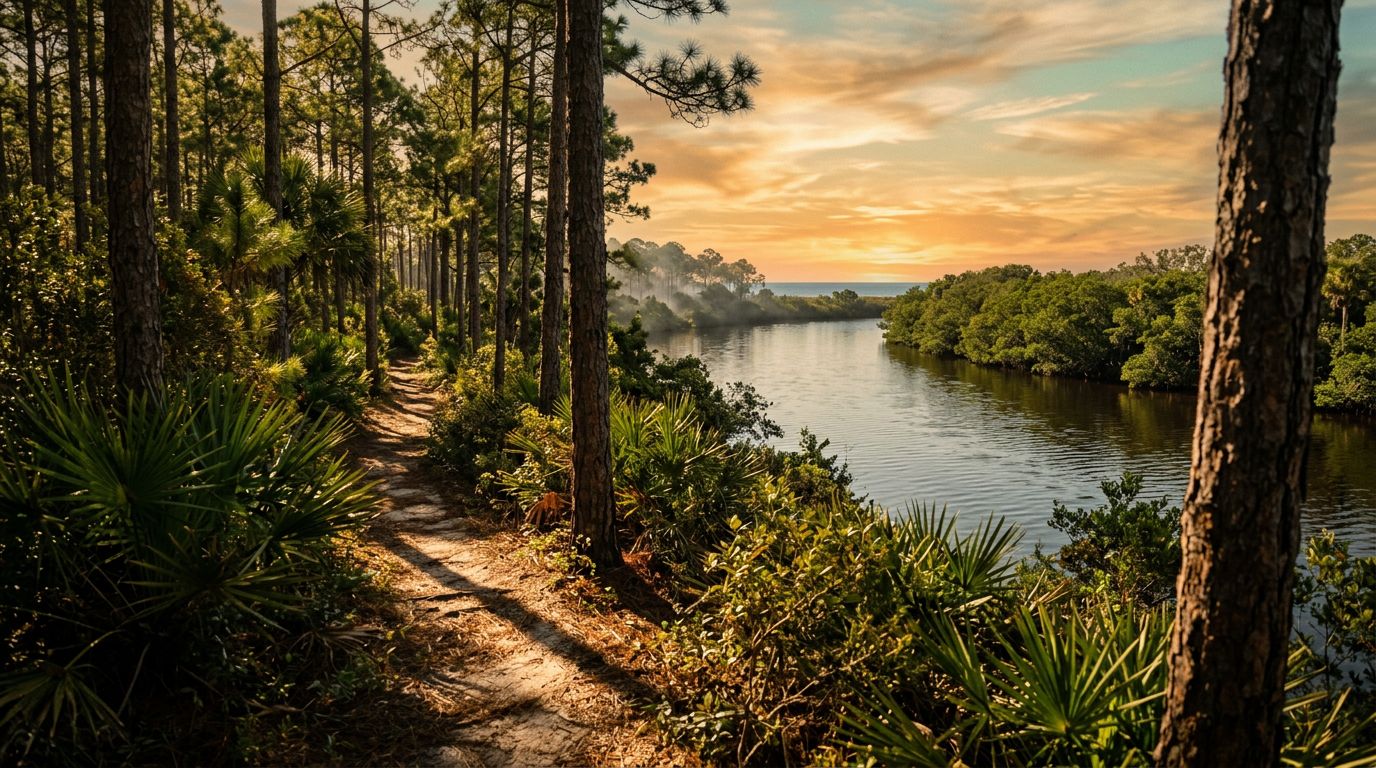
The trails are part of the appeal, but the terrain stays easy. Expect flat ground, sandy stretches, and plenty of sun exposure. After rain, some sections can feel damp or soft, so shoes with grip help. That makes the area a solid fit for relaxed walkers and anyone who prefers distance without hills.
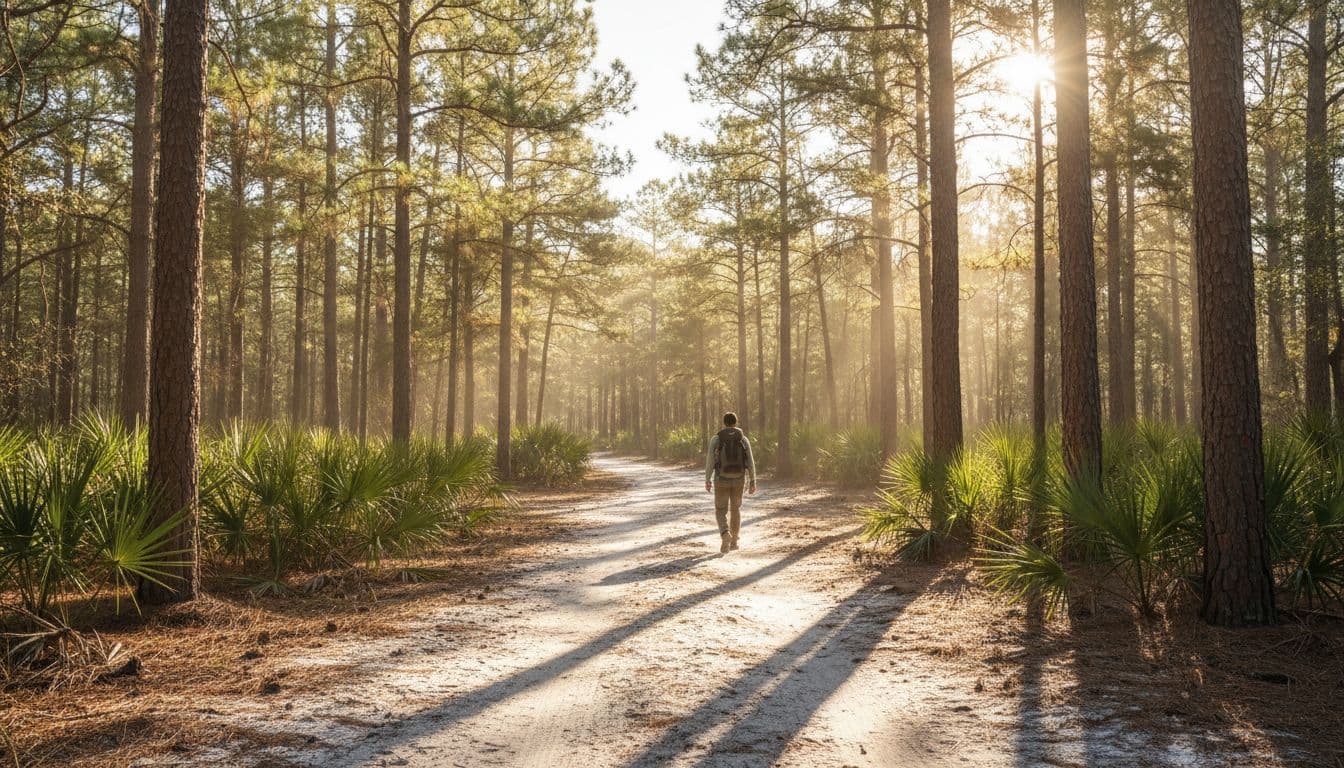
A good visit here is less about speed and more about attention. Stop often, look across the water, and watch the tree line for movement. The wetlands reveal more when you slow down. Even a short walk can feel full if you give it time.
Shade can be limited in open spots, so the temperature matters more than the distance. On warm days, the trail can feel much longer than it looks on a map. In the cooler months, though, the same path feels easy and open. That difference changes the whole mood of the outing.
If bikes are allowed at your chosen access point, the flat layout can work well for a casual ride. Still, posted signs matter more than guesswork, and rules can change by area. Walkers and riders should share space carefully, especially on narrower stretches. The trail is best when everyone moves with the setting, not against it.
Wildlife, Birds, and the Best Photo Spots
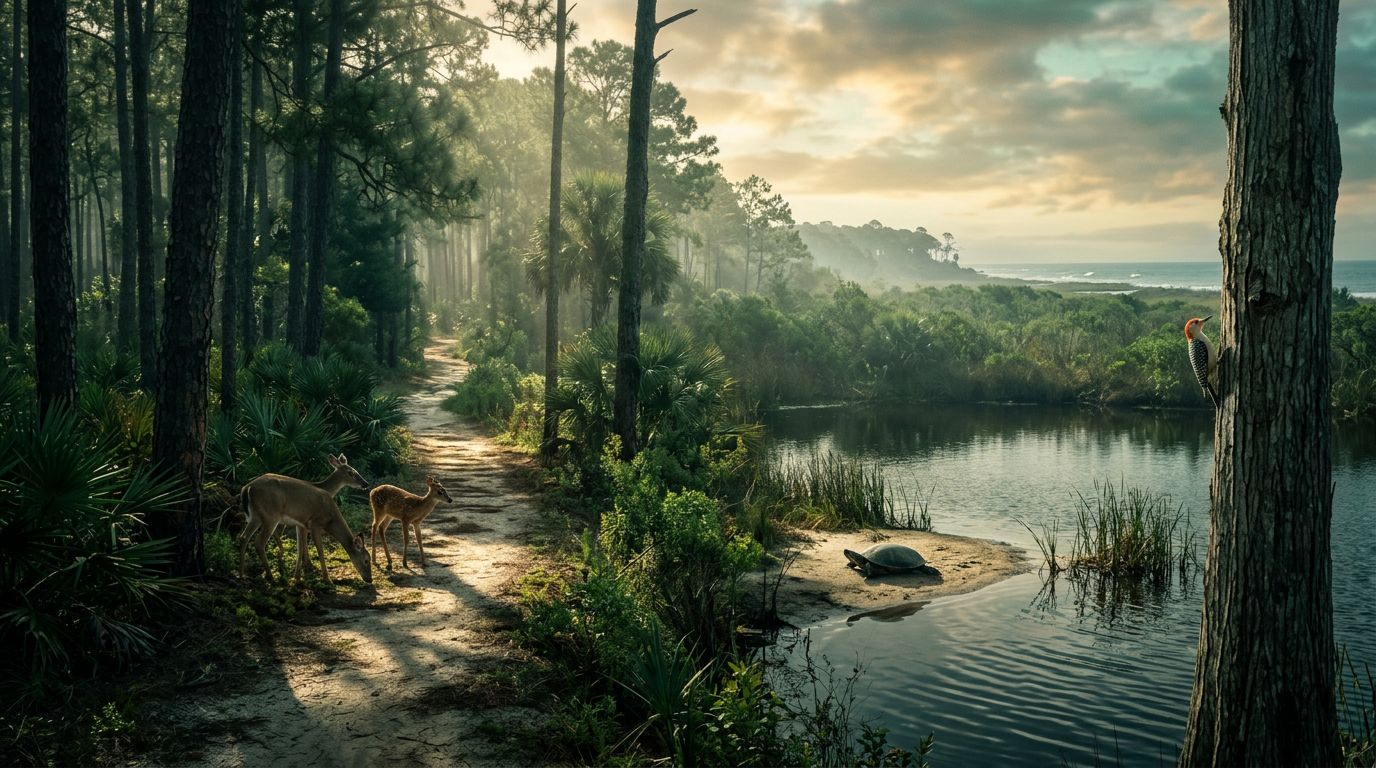
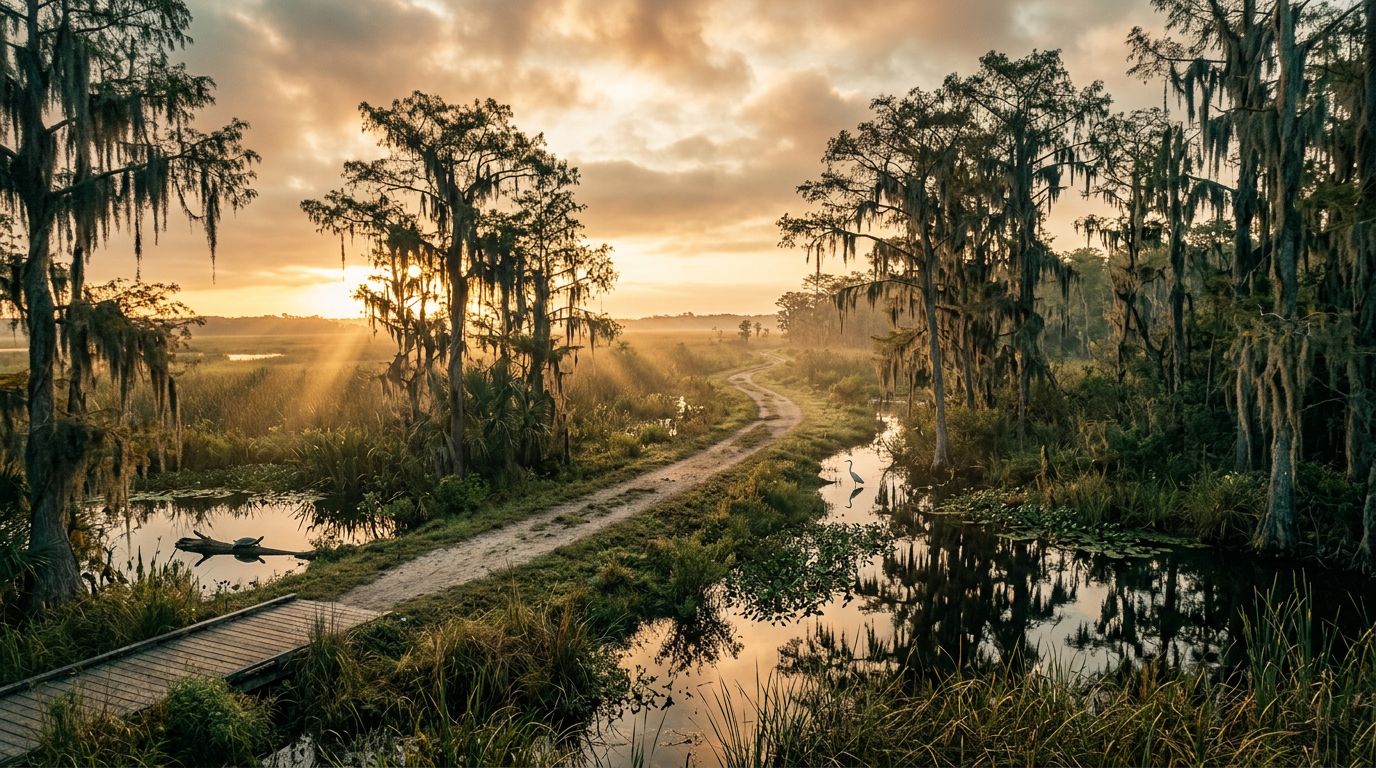
Wildlife is the main reason many people return. Great blue herons, egrets, ibises, and anhingas fit the setting well, and turtles often show up near the waterline. You may also notice dragonflies, frogs, and other small life that hides in plain sight. The scene changes with light and season, so each visit feels a little different.
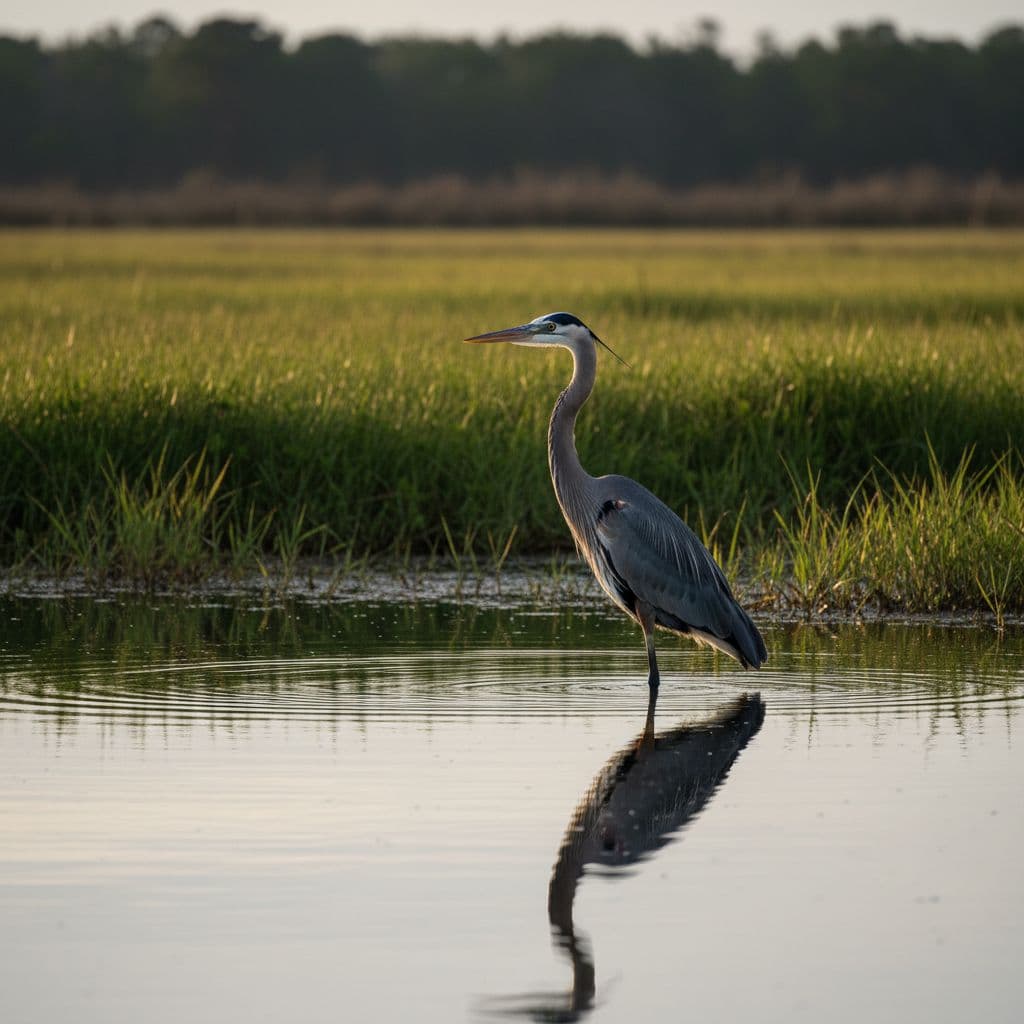
For photos, the best shots often come when you pause instead of chase. Early light softens the water and gives the greens more depth. Later in the day, long shadows stretch across the wetlands and add shape to the frame. Keep your camera ready, but do not rush the moment. A still bird often gives you the better picture.
Quiet helps here. The less noise you make, the more likely you are to spot ripples, tracks, or a bird lifting out of the grass. Listen for wing beats, water movement, and the soft sounds that disappear when a group gets loud. That slow pace is part of what makes the area memorable.
If you enjoy birding near Juno Beach, this is the kind of place that rewards patience. You may come for one sighting and leave with three more. That is part of the fun.
When to Visit and What to Bring
Cooler months are the easiest time to visit. Late fall through early spring usually feels more comfortable, and the lower heat makes longer walks easier. Summer can still work, but early morning is the best window. After heavy rain, trails may hold water or feel muddy, so flexibility helps.
Bring more water, sun protection, and bug spray than you think you need.
A simple packing list keeps the day smooth:
- Water
- Hat and sunscreen
- Insect repellent
- Closed-toe shoes
- Binoculars or a camera
Parking may be limited at some access points, so arriving early is smart. Also, check posted rules before you bring a dog, bike, or kayak. Some parts of a natural area allow certain uses, while others do not. When in doubt, the signs on site matter most.
Humidity can sneak up on you, even on days that start off mild. A short walk can become a sweaty one fast if the air is heavy. Because of that, many visitors find the area best for morning outings or late afternoon visits.
For Juno Beach visitors, that makes the slough an easy inland change of pace. You get birds, open views, and a quieter kind of outdoor time.
Conclusion
Loxahatchee Slough Natural Area is a strong pick when you want nature close to Juno Beach without a lot of noise or planning. The setting is simple, but it gives you room to slow down.
Flat trails, wetland views, and steady bird life make it worth a repeat visit. Bring the basics, stay patient, and let the place set the pace.
If you want a calm outdoor stop that feels different from the coast, this one fits that mood well.
FAQ for Visiting Loxahatchee Slough Near Juno Beach
Where should I park?
Parking depends on the access point you use. Some areas have designated lots, while others are more limited. Arrive early if you can, and follow posted signs so you do not end up parked in the wrong place. A little extra time at the start can save frustration later.
Are dogs allowed?
Dog rules can vary by section. Check the signs before you bring a pet, and keep a leash handy if dogs are permitted. It also helps to pack water and waste bags, because the area can feel warm and remote. If your dog is sensitive to heat, a cooler day is the better choice.
Can you bike there?
Some routes or access roads may allow bicycles, but not every trail does. That makes site-specific signs important. If biking is allowed, keep your speed low and watch for walkers, wildlife, and soft ground. The area works best for a calm ride, not a fast one.
Can you kayak there?
Kayaking is only an option if there is a legal launch area and water access at the site you choose. Conditions can change with water levels and posted rules. It is best to confirm access before you load gear. If the water route is open, keep the trip simple and stay aware of local rules.
What is the best season to visit?
The most comfortable months are usually late fall through early spring. Cooler air makes walking easier, and insects tend to be less of a problem. Early mornings are a smart choice in summer, especially if you want calmer light and more active birds. If you like quiet scenes, winter and early spring are hard to beat.