Grassy Waters Preserve Near Juno Beach: A Practical Nature Guide
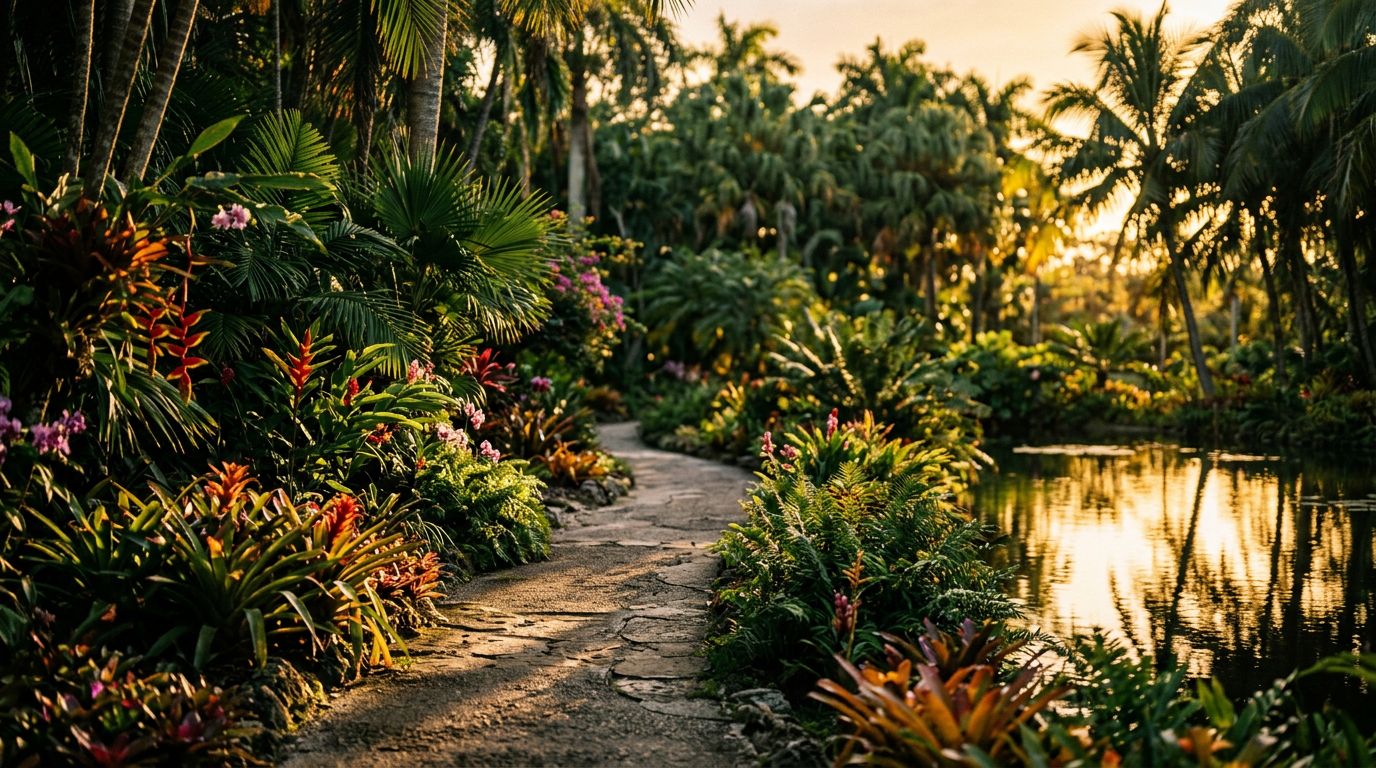
If you want a nature break that feels far from the beach without a long drive, Grassy Waters Preserve is a strong choice. The wetlands are quieter than the coast, and the scenery changes with every turn of the trail.
This is the kind of place where a slow walk pays off. You might see birds working the shallows, sunlight on still water, and sawgrass stretching into the distance. A little planning makes the trip smoother, so the guide below keeps it simple and useful.
Why Grassy Waters Preserve works for a day trip
Grassy Waters Preserve is a good fit when you want fresh air, open space, and a slower pace. For travelers staying near Juno Beach, it offers a different side of South Florida that feels close, but not crowded.
The preserve also works well for locals who want a half-day outing instead of a full excursion. You can keep the visit short and still come away with good views, fresh air, and a real sense of the wetlands.
The preserve also has educational value. South Florida's water system is easy to overlook until you stand beside a marsh and see how much life it supports. Even a short visit can change how you look at the land around you.
What the marsh looks and feels like up close
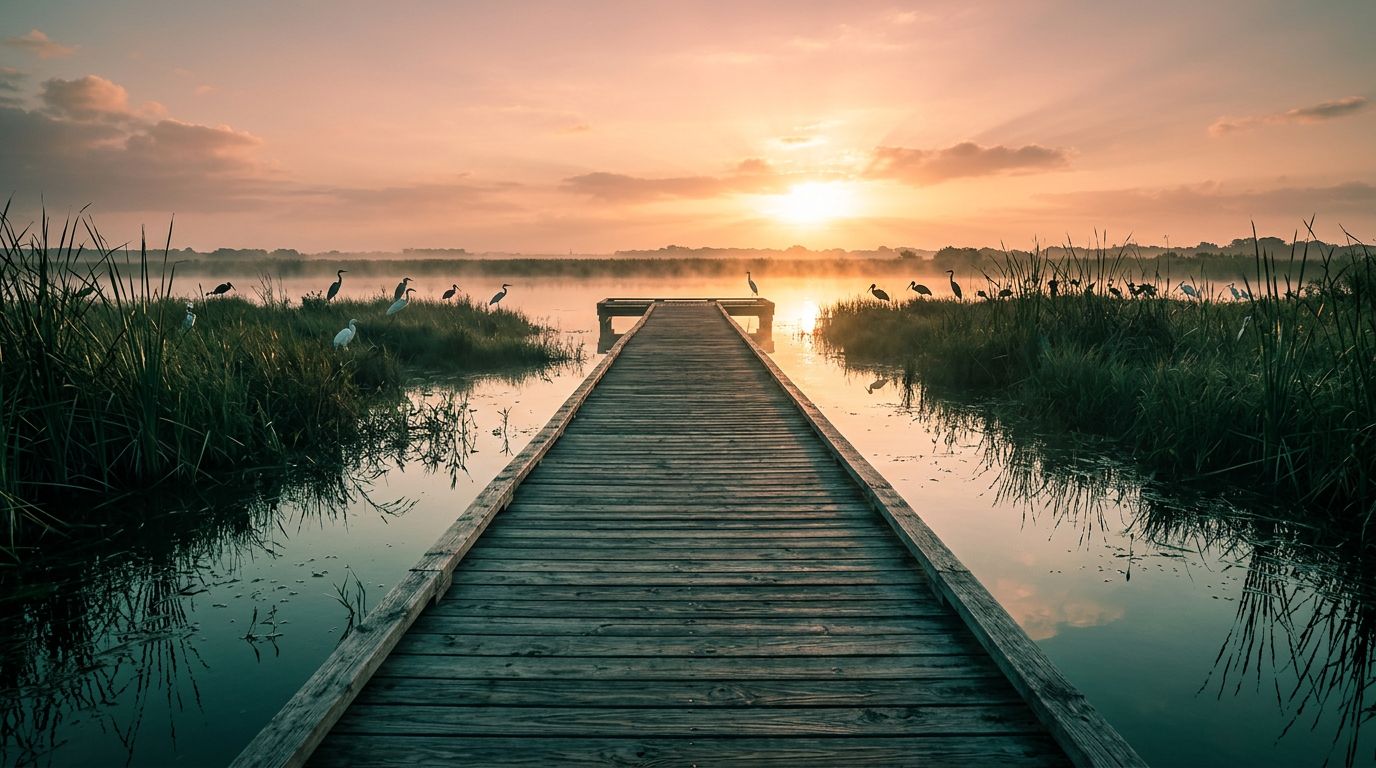
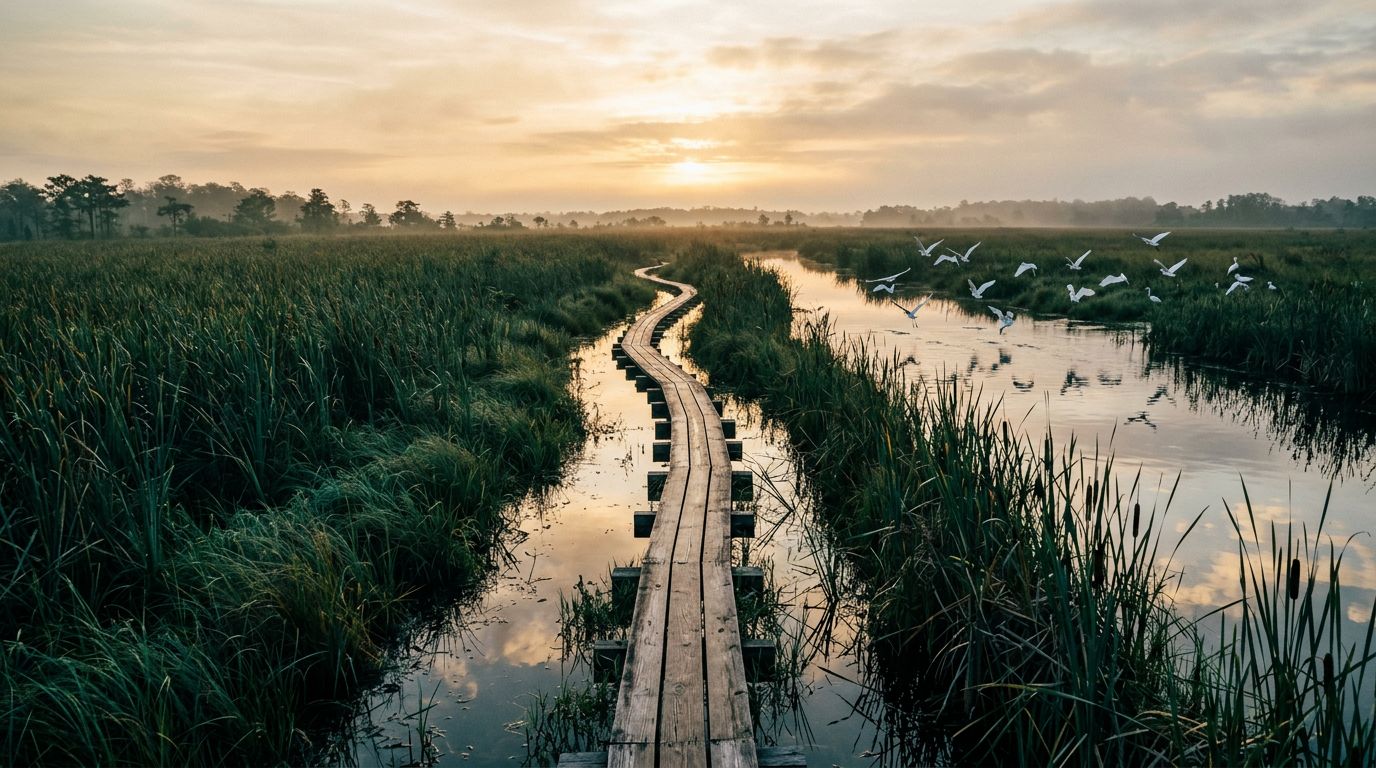
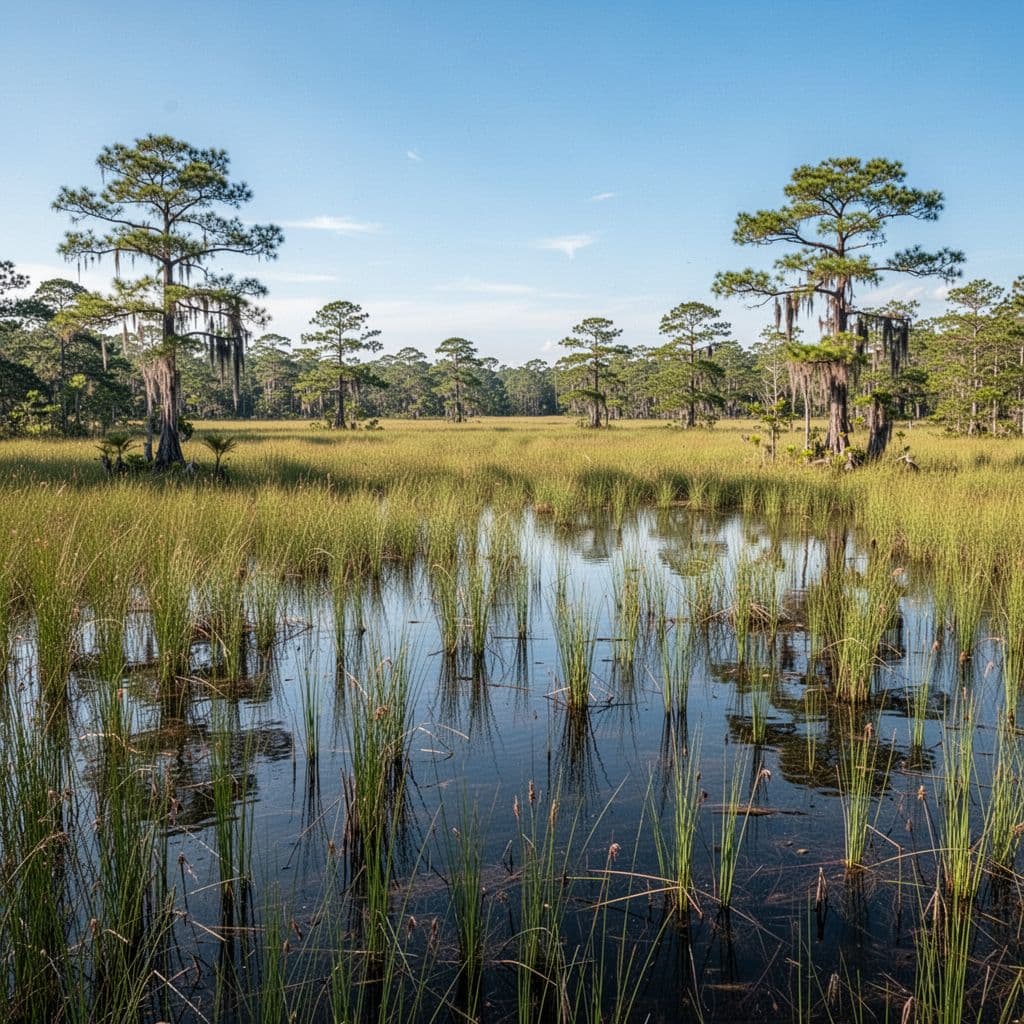
Grassy Waters Preserve feels open, wide, and very green. Sawgrass fills much of the view, while still water catches the sky like a mirror. Cypress trees and wetland plants break up the horizon, so the scene keeps shifting as you move.
The best part is how quiet it can feel. Traffic fades fast, and the sound of birds takes over. On calm days, the water can look almost flat, which makes the whole place feel bigger.
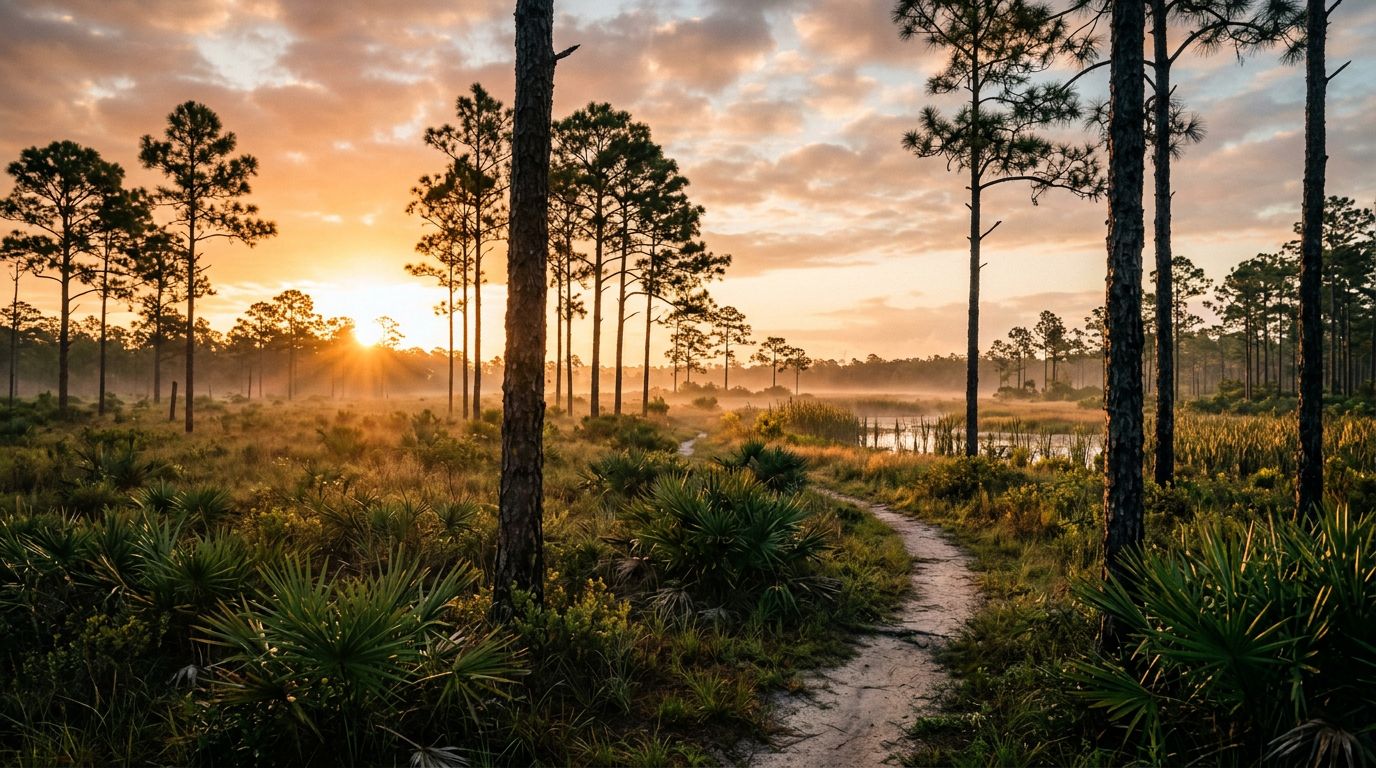
If you only have one window for the trip, go early. The light is better, the air is cooler, and the wildlife is usually more active.
Shade can be limited in some areas, so the weather matters. A bright day can make the preserve look stunning, but it also means more sun and more heat. That is one reason early morning or late afternoon usually feels best.
The preserve is also a good place to slow your pace. You do not need to rush to "see everything." A few pauses at the water's edge often show more than a fast walk ever will.
Wildlife watching without rushing
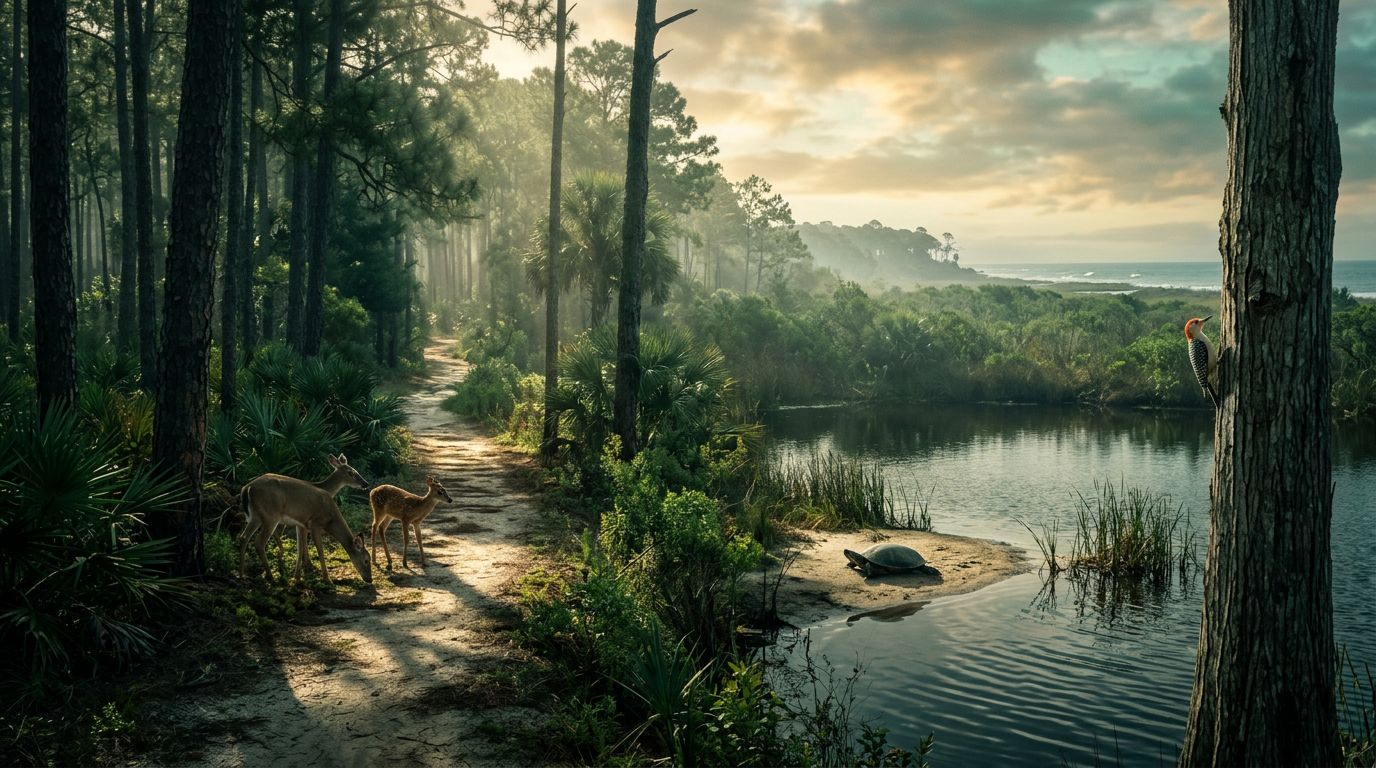
Birdwatching is one of the biggest reasons people come here. Herons, egrets, anhingas, and other water birds often use the marsh as a feeding ground. Turtles may surface near calm water, and alligators can appear in deeper stretches, so keep your distance and stay alert.
 Photo by Jeffrey Eisen
A pair of binoculars helps a lot here. You can scan the water without crowding the edge, and you will catch details that are easy to miss with the naked eye. A camera with a zoom lens is useful too, but patience matters more than gear.
Move slowly and keep your voice low. Wildlife often reacts to sudden motion long before it reacts to distance. If a bird changes direction or an animal shifts away, give it room and enjoy the moment from where you are.
Insect activity can also shape the experience, especially near water. A little repellent and light, breathable clothing can make the visit much more comfortable. That small step can save the whole outing.
Walking the boardwalks and trails
The best routes for many visitors are the boardwalks and marked paths. They give you an easier walk and keep you above some of the wetter ground. That matters after rain, when trails can feel softer or more uneven.
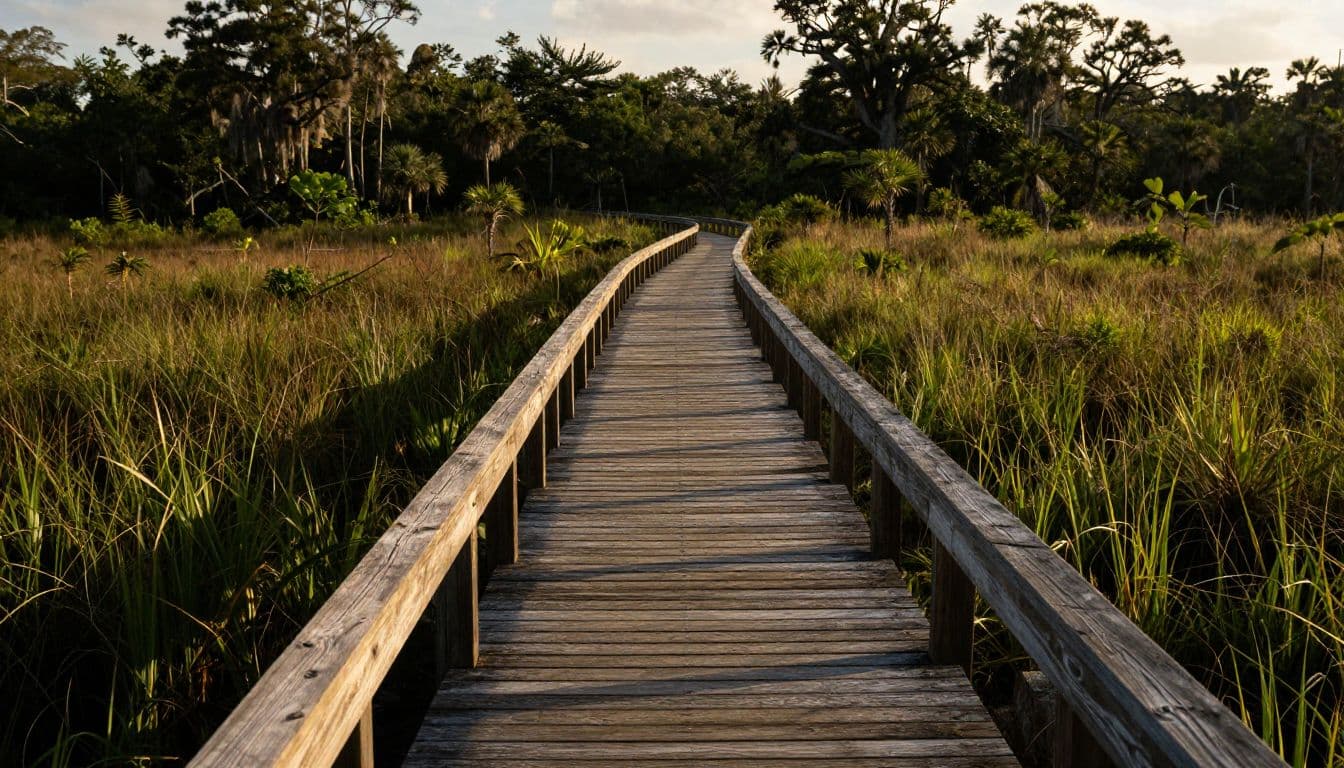
Closed-toe shoes are a smart choice, even if the walk looks easy. You may deal with muddy spots, wet grass, or rough ground near trail edges. Sandals can work for some outings, but they are not the best bet for a marsh visit.
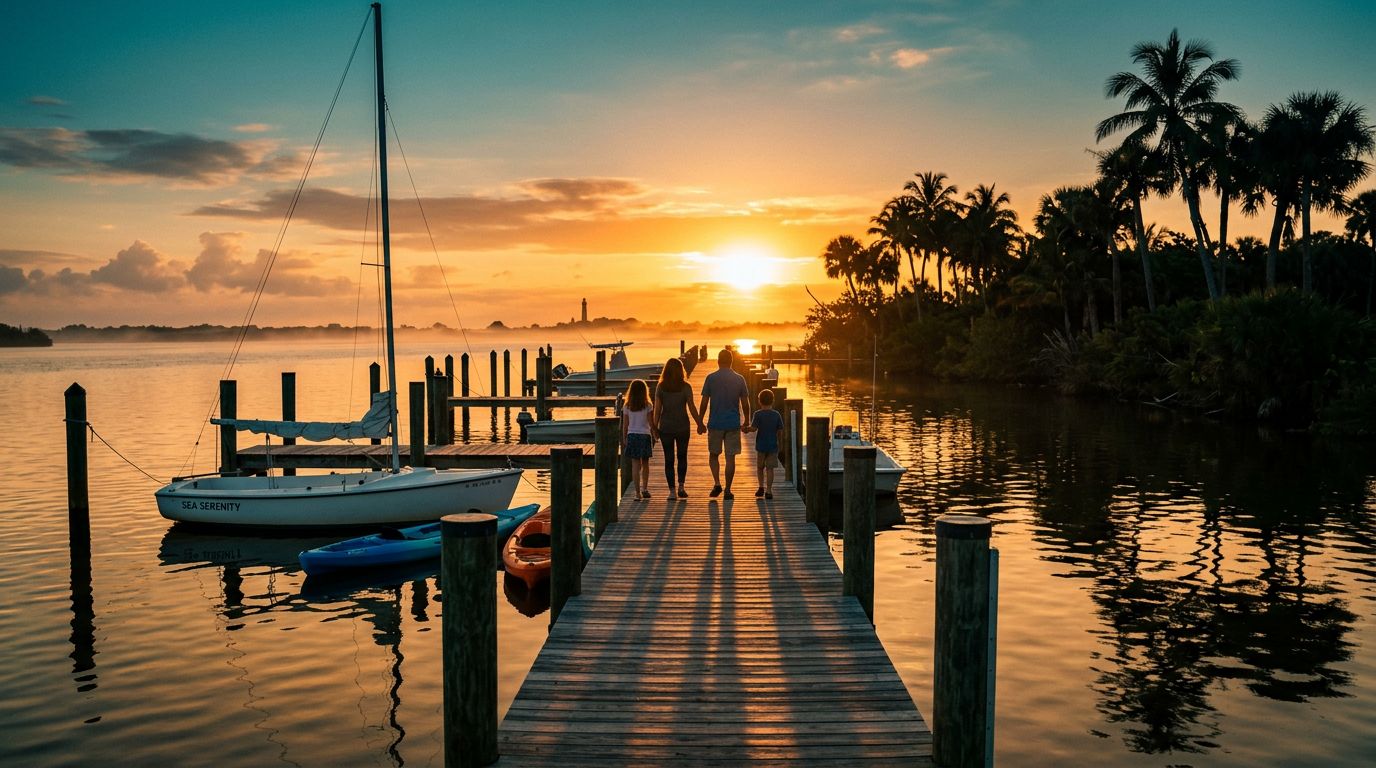
If you are bringing kids or older family members, keep the route simple. Choose paths that allow you to turn back whenever you want. A shorter loop with more stops is often better than a long walk with no breaks.
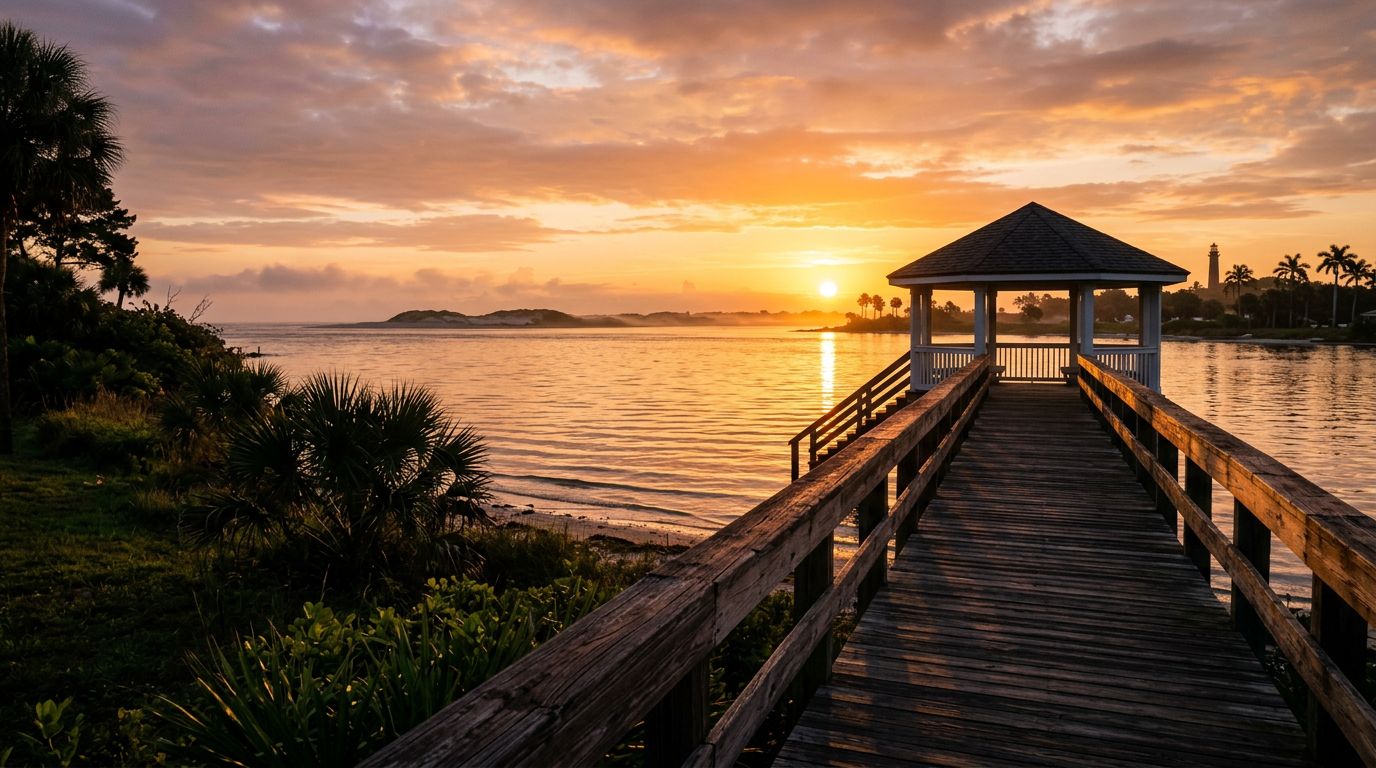
The boardwalk sections are also good for photos. They frame the landscape in a natural way and give you a steady place to stop. On a calm day, the reflections across the marsh can be just as interesting as the wildlife.
How to plan your visit from Juno Beach
Before you go, check current hours, fees, programs, and access details. Those things can change, and a quick check helps you avoid surprises at the gate or trailhead.
Start with the weather, then plan around the heat. Early visits are usually more comfortable, and they often bring better wildlife viewing. If the day looks hot or wet, keep your outing shorter and build in extra water breaks.
A simple pack list makes the day easier:
- Water : Bring more than you think you need, especially in warm months.
- Sun protection : A hat, sunscreen, and sunglasses help on exposed stretches.
- Bug spray : Wetlands can mean bugs, especially near still water.
- Closed-toe shoes : These help on damp or uneven ground.
- Binoculars or a camera : Both make birdwatching more rewarding.
Parking and entry can also affect timing, so give yourself a little buffer. If you are tying the preserve visit to another stop, do not schedule it too tightly. Nature outings go better when you leave a little space for slowing down.
A simple meal after the walk
After a morning or afternoon at the preserve, a low-effort meal can feel perfect. If you are heading back toward Juno Beach, the Juno Beach menu gives you a quick option for subs, wraps, flatbreads, pasta, chicken, and other easy picks.
That kind of stop works well after a muddy trail day or a long birding session. You can grab something filling without losing the relaxed pace of the outing.
Conclusion
Grassy Waters Preserve gives you a strong dose of wetlands, wildlife, and open sky without a complicated plan. For anyone near Juno Beach, it is one of the easiest ways to trade beach traffic for still water and bird calls.
The best visits are simple. Go early, wear the right shoes, bring water, and move at a slower pace.
That is usually when the preserve feels at its best, and when the quiet really starts to stand out.