Cypress Creek Natural Area Trail Guide Near Juno Beach
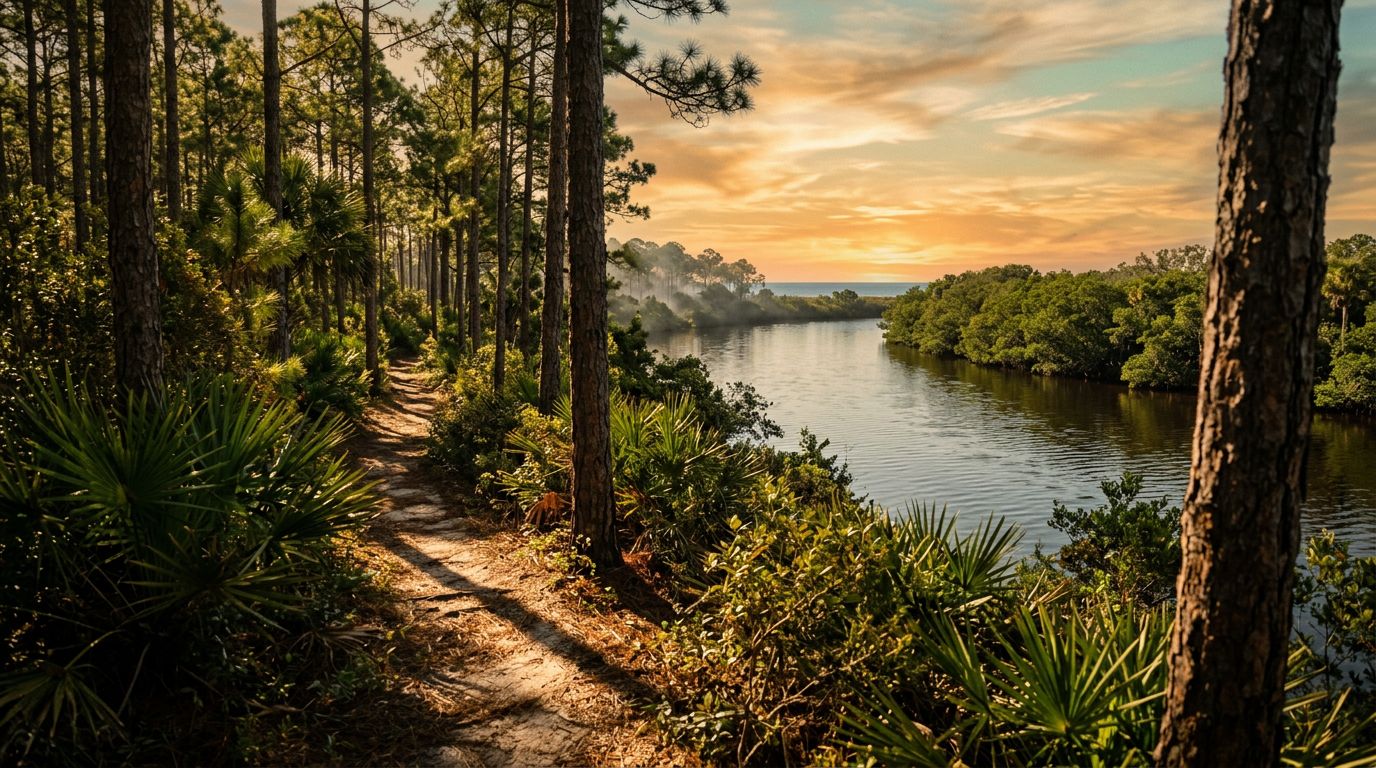
Few local trails near Juno Beach give you this much wetland, wildlife, and open sky in one place. Cypress Creek Natural Area is a strong choice when you want a real walk instead of a paved loop.
Expect a trail that changes with the weather. Some days bring cool breezes and clear views, while others feel hot, damp, and buggy by noon. That mix is part of the appeal, as long as you plan for it.
Why Cypress Creek Works for a Local Trail Day
Cypress Creek covers more than 2,000 acres, so it never feels like a tiny nature stop. The size gives the area room for restored wetlands, native plants, flatwoods, marsh, and swamp habitat, and that variety is what makes each visit feel different.
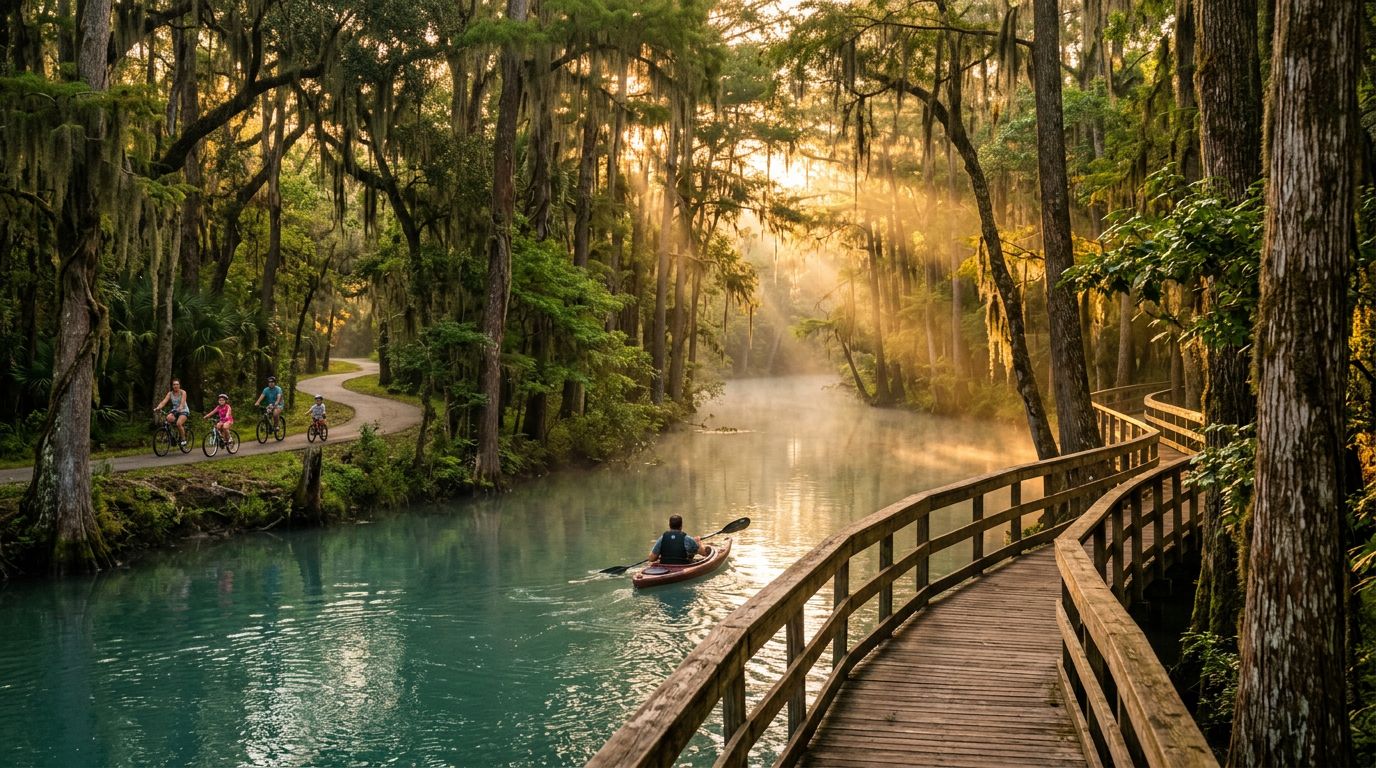
People come here for quiet time, birdwatching, and a break from the usual beach routine. The trail system also supports hiking, biking, and horseback riding, so the place has a more natural, less polished feel than a city park.
The wetlands connect to the larger Loxahatchee River system, which means water shapes almost everything you see. The Old Indiantown Road trail adds a historic note without turning the visit into a history lesson. You feel the land first, then the story underneath it.
For a Juno Beach day trip, that works well. You can get a solid outdoor walk in the morning and still be back in town with most of the day left.
What the Trail Feels Like on the Ground
Think of Cypress Creek as a natural area, not a manicured park. Some stretches are open and bright, while others feel darker and more enclosed. The trail can change quickly when you move from drier ground to wetter spots.
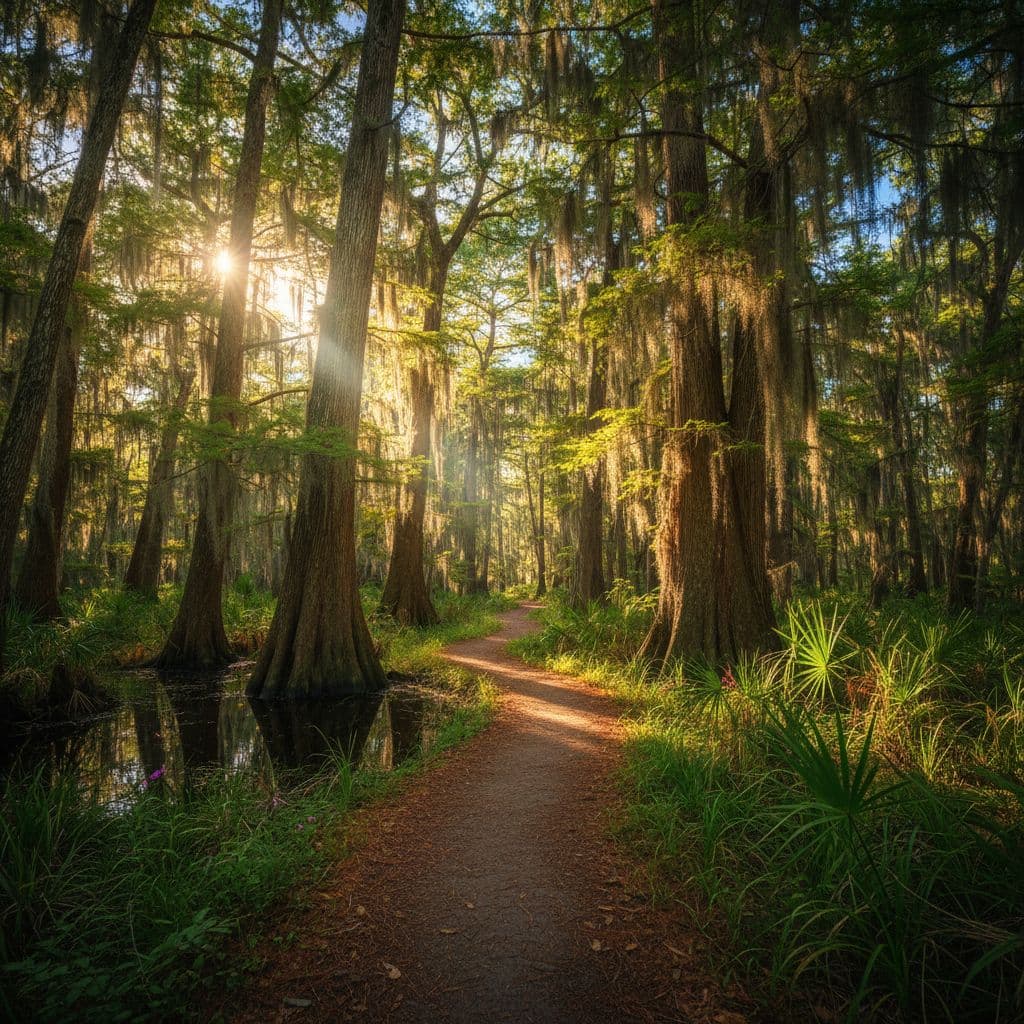
Because the surface is natural, your shoes matter. Expect uneven footing, soft edges after rain, and the kind of small dips that catch your attention when you stop looking down. Closed-toe shoes with decent grip are the safest choice.
The trail is best when you keep a relaxed pace. If you're with kids, slow down early and let them stop often. If you share the route with cyclists or riders, stay alert at bends and narrow spots, and give them room to pass.
Shade is uneven, too. Some sections offer cover, but open wetland areas can feel hot fast, even on a morning that starts out mild. That's why the trail feels more like a nature outing than a casual neighborhood stroll.
Wildlife and Habitat Highlights
The habitat mix is the real draw here. Wet prairie and marsh pull in wading birds, while flatwoods and swampy sections support a different set of plants and animals. That variety gives birders plenty to watch without walking a huge distance.
You may see herons, egrets, hawks, turtles, deer, and smaller wildlife along the edges of the trail. Birds often show up around water first, then move into the trees as the day warms up. If you slow down near a crossing or open patch, you'll notice more than you would from a quick walk.
Early morning is usually the best time for sightings. The light is softer, the air feels cooler, and animal activity tends to be higher. In other words, the trail pays you back when you move slowly and keep your voice down.
Look at the waterline, but don't ignore the higher ground. The plants shift from one area to the next, and the wildlife follows that change. Cypress Creek is a good reminder that Florida's wild spaces are layered, not flat.
When to Go and How Weather Changes the Experience
Weather shapes this trail more than mileage does. In May, the mornings can still feel pleasant, but heat builds fast after breakfast. That makes early starts the smartest plan.
Here's a simple seasonal snapshot to help you choose the right time.
| Season | What the trail feels like | Best plan |
|---|---|---|
| Winter | Cooler, drier, and less buggy | Go a little later in the morning and enjoy a longer walk |
| Spring | Warm, active wildlife, and rising humidity | Start early and bring water |
| Summer | Hot, wet, and prone to afternoon storms | Keep visits short and avoid late starts |
| Fall | Warm days and lingering bugs | Choose early hours and watch the forecast |
That pattern is why the trail feels easiest before midday. A short walk at sunrise can be much more pleasant than a longer walk under full sun.
After rain, soft ground can turn a short walk into a slow one.
If lightning is in the forecast, leave the trail for another day. Wet areas can stay soft long after the sky clears, and a dry-looking path can still hide slick spots. That's part of why checking current conditions matters here.
What to Bring and Who Will Enjoy It Most
This trail fits visitors who like a slower pace. Birders, hikers, cyclists, riders, and families with older kids can all have a good time here, as long as they don't mind dirt and bugs. If you want a natural trail day near Juno Beach, this is a solid pick.
Bring a few basics so the walk stays comfortable:
- Water, because you won't want to rely on finding a drink on the trail.
- Bug spray for warm months and still mornings.
- Sunscreen and a hat for open stretches.
- Closed-toe shoes that can handle soft ground.
- A towel or spare socks if you hate a muddy car ride.
If you plan to bike or ride, confirm current trail rules before you go. Access and conditions can change, and it's better to check first than guess later.
This probably isn't the best choice if you want a paved, stroller-friendly walk with constant shade. Cypress Creek is better for people who want a more natural trail feel and don't mind a little mess.
A Simple Food Stop After the Hike
After a humid trail day, a simple lunch usually sounds better than a big plan. If you're heading back through Juno Beach, keep it easy and browse the lunch and dinner menu for subs, wraps, flatbreads, pasta, and chicken dishes.
If you like to preview your order first, see photos of our food and pick what fits your mood. That kind of post-trail stop makes the whole day feel smoother, especially when you'd rather change out of hiking shoes than sit down for a long detour.
Conclusion
Cypress Creek Natural Area gives Juno Beach visitors a chance to see South Florida the way water shapes it. The trail is at its best when you arrive early, wear the right shoes, and accept that the route can change with the weather.
That mix of beauty and rough ground is part of what makes the place memorable. Check current conditions before you go, bring water, and keep the day flexible.
Do that, and the trail feels less like an errand and more like a good local escape.