Juno Dunes Natural Area Trail Guide: Trails, Access, and Tips
Juno Dunes Natural Area gives you a rare coastal walk in Palm Beach County, with a short paved route, sandy scrub trails, and a chance to end near the Atlantic. If you want a quick nature break, the trail mix here makes it easy to choose your pace.
If you want a longer walk, the west tract gives you more room to roam, but the sun and soft sand make it feel bigger than the mileage suggests. A little planning goes a long way, especially when you want to fit the visit around heat, parking, and your own energy level. This guide keeps the details practical so you can pick the right trail and head out ready.
Trail options and how far to go
Juno Dunes Natural Area has two main trail experiences, and they feel different from the first few steps. The east side is short and scenic, while the west side gives you the longer walk with more variety.
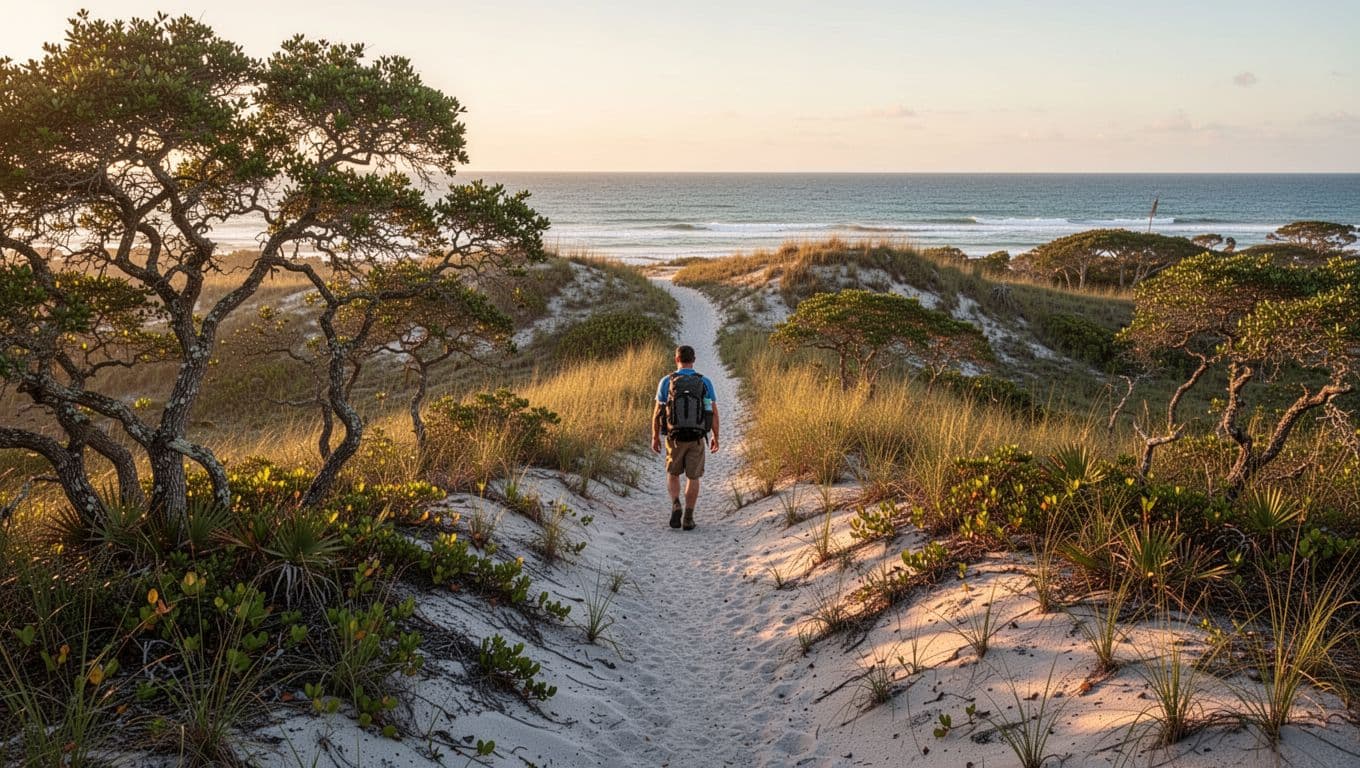
The best way to choose is to match the trail to your time and the weather. If the day is hot, the paved route feels friendly. If you want a fuller outing, the sandy trails on the west side give you that classic Florida coastal hike.
| Trail or area | Surface | Distance | Best for | Notes |
|---|---|---|---|---|
| Oceanfront Tract | Short paved access, plus a sandy foot trail | Short scenic stop | Quick visits, ocean views | Park at Loggerhead Park |
| Sawgrass Trail | Paved | 0.21 miles | Families, casual walkers, hot days | Easiest route |
| Scrub Oak Trail | Sandy | 1.8 miles | Longer walks | Heads to the Intracoastal Waterway |
| Scrub Hickory Trail | Sandy | 2.1 miles | Hikers, birders | Natural surface, slower pace |
The mileage looks modest, but sand changes the feel fast. For a 20-minute visit, Sawgrass Trail works well. For a longer outing, the scrub trails reward you with more space and a quieter setting.
Parking, entrances, hours, and rules
The access points are simple once you know which side you want to walk. The east and west tracts have separate parking, and that makes planning easier.
- For the Oceanfront Tract, park at Loggerhead Park, 14200 South U.S. Highway 1, Juno Beach. Parking is free, and restrooms are available there.
- For the West Tract, use the parking lot at 14501 South U.S. Highway 1, Juno Beach.
- Walk-in entrances are also available off Donald Ross Road.
- The area is open sunrise to sunset every day of the year.
A few basic rules matter here. No pets, bicycles, or drones are allowed, so plan for a foot-only visit. No entrance fee is posted in the current access details, which makes this an easy outing to fit into a day.
If you're arriving on a busy weekend, go early. The lot is easier to use before the heat builds, and the morning light works better for photos and birding.
Trail surface, shade, and difficulty
The paved Sawgrass Trail is the easiest choice by far. Once you move onto the sandy routes, the pace changes. Sand takes more effort, even when the trail looks flat on a map.
Juno Dunes is not a mountain hike, but it does have elevation changes from the dune ridges. The site includes the highest natural point in Palm Beach County, so you get a little climb and a clear view without a steep grade. That small rise gives the trail a more open feel near the ocean side.
Shade is limited on the natural surface routes. Because of that, the difficulty shifts with the time of day. A morning walk can feel easy, while the same route near noon can feel much tougher.
On the sandy trails, the distance feels longer than it looks. Start early, and the walk stays much more comfortable.
For most visitors, the area lands in the easy-to-moderate range. Fit walkers can handle the longer routes, but casual visitors should expect a slower pace and a few pauses.
What you'll see on the trails
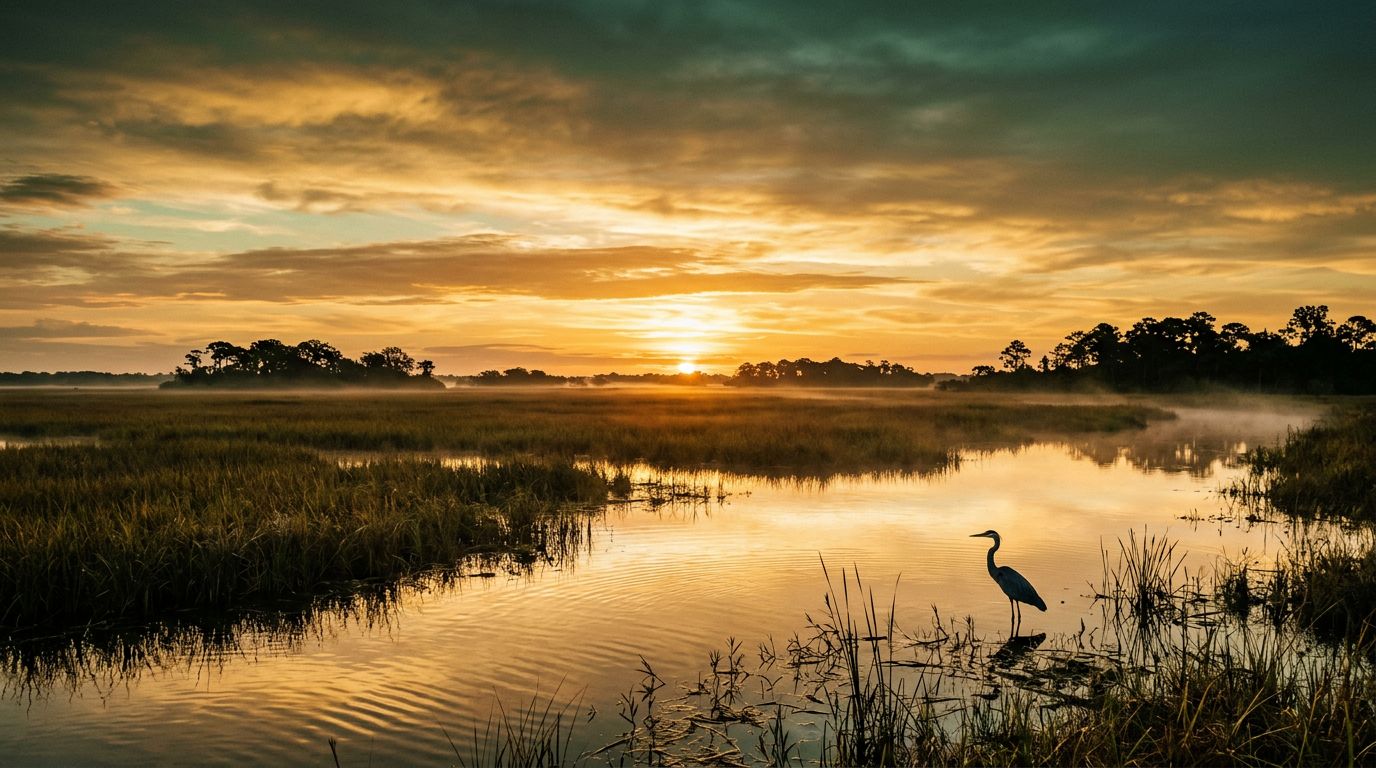
The scenery changes fast at Juno Dunes Natural Area. That's part of the appeal. In one visit, you can move from dune ridges to wetland edges and then to the Intracoastal side.
The oceanfront tract gives you the classic coastal view, with grass-covered dunes and a look toward the Atlantic. The west tract feels different, with sawgrass, scrub, and wetland plants shaping the walk. That mix keeps the trail from feeling repetitive.
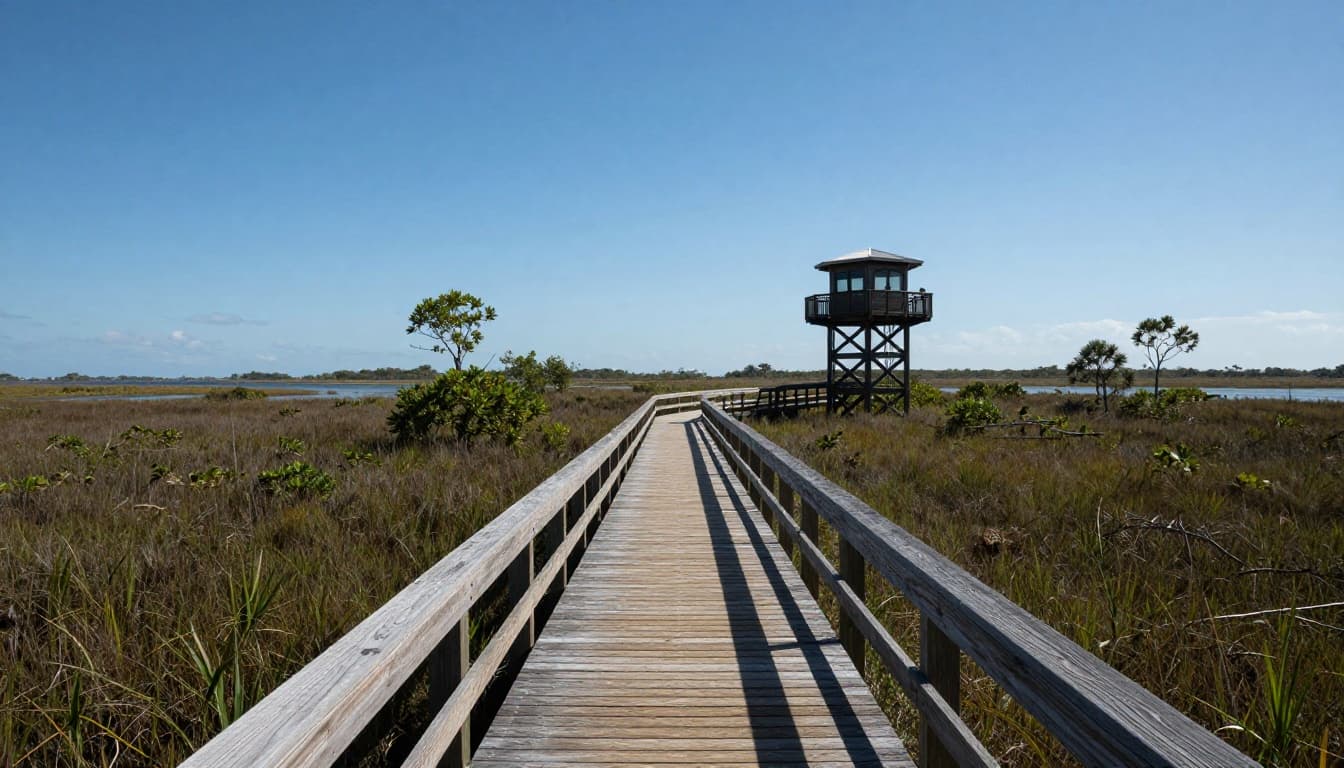
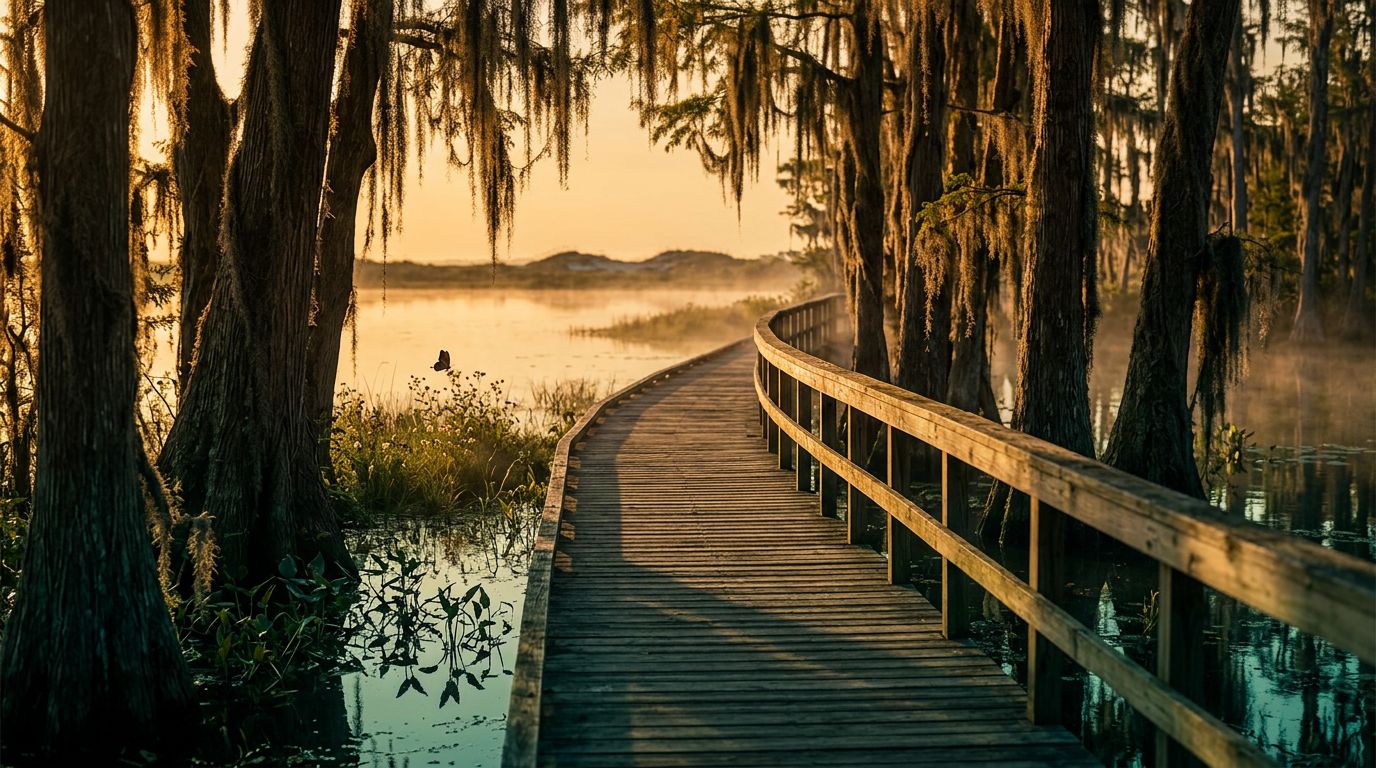
The boardwalk and observation tower are worth slowing down for. They give you a broad look over the marsh, which helps you understand how much water and habitat sits inside the preserve. If you like landscape photography, this is a good stop for wide shots.
Wildlife is part of the draw too. The mix of dune, scrub, sawgrass, and marsh supports different birds and small animals throughout the year. Birders tend to do best near the wetland edge, where the tower and boardwalk make it easier to scan the area without rushing.
If you enjoy quiet trails, this place has that calm coastal feel. You hear wind, birds, and your own steps on sand. That's the kind of soundscape that makes a short walk feel like a real break.

Photo by Anna Lowe
When to visit and how to prepare
The best time to walk Juno Dunes depends on heat and light. Cooler months make the longer sandy trails easier, while summer visits work best early in the morning. Late afternoon can feel pleasant too, but you still need to finish before sunset because the area closes then.
Sunlight matters here more than on a shaded park loop. The open dune areas heat up fast, and the natural surface can feel tiring when humidity climbs. For that reason, bring water even on a short visit. A hat, sunscreen, and closed-toe shoes also help.
The east side is a good choice when you want a shorter outing with easy access. The west side is better when you have more time and want the fuller experience. If you only have one hour, don't force the longer sandy trail. The shorter route will probably leave you happier.
Weather also changes the mood of the preserve. Bright days make the views pop, while cloudy mornings soften the light and can make birding easier. If the goal is comfort, go early. If the goal is photos, aim for clear light and arrive with enough time to enjoy it.
Tips for families, casual walkers, and birders
Different visitors get different value from the same preserve. That's part of what makes Juno Dunes useful as a local trail stop.
- Families do best on the paved Sawgrass Trail or the short oceanfront walk. Both give kids a clear destination without too much strain.
- Casual walkers should keep the pace slow on the sandy routes and save the longer trails for cooler days.
- Birders will get the most out of the boardwalk, the tower, and the wetland edge, especially in the early morning.
Staying on the marked trails matters here too. Dune and scrub habitats can look open, but the plants and sand are easy to damage when people wander off route. The preserve works best when everyone keeps to the paths.
If you're bringing a mixed group, the west tract can still work. Start with the paved portion, decide how much energy everyone has left, and then continue only if the group is still comfortable. That approach keeps the walk fun instead of turning it into a slog.
For birders, patience pays off. Slow steps, a quiet voice, and a few minutes at the observation tower often reveal more than a fast walk ever will.
Conclusion
Juno Dunes Natural Area is a simple place to enjoy well, as long as you match the trail to the day. The east side gives you a quick scenic stop, while the west side offers the longer sandy walk through scrub and wetland.
If you want the easiest visit, start with Sawgrass Trail. If you want the best mix of views and habitat, give yourself time for the west tract and the tower. Either way, the preserve rewards an early start, good shoes, and a little patience with the sand.
Pick the route that fits your energy, and the rest of the visit falls into place.