Sea Turtle Season Guide for Juno Beach, FL in 2026
Juno Beach gets busy when turtle season starts, and for good reason. Few places in Florida give you a better chance to see nesting activity, hatchlings, and serious conservation work all in one stretch of sand.
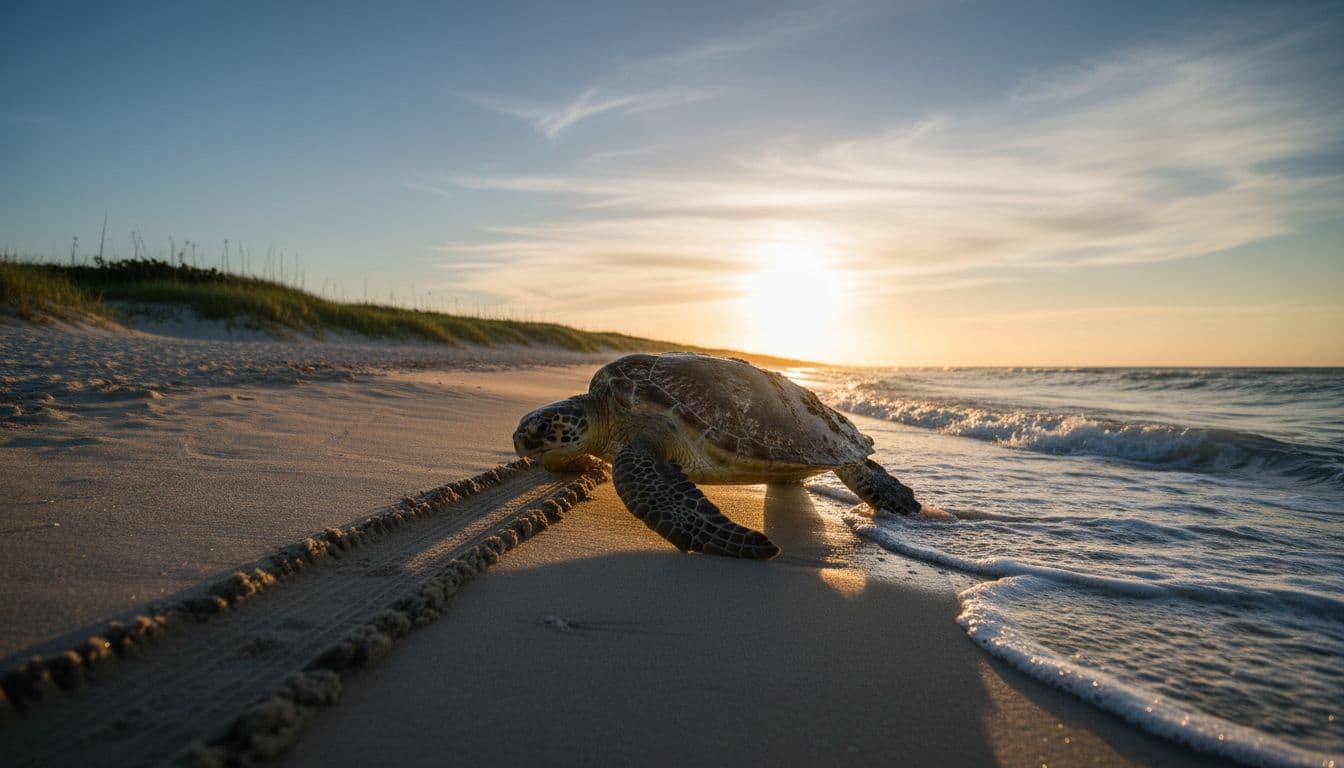
The timing matters, though. In Palm Beach County, juno beach sea turtle season usually runs from March 1 through October 31, and 2026 started early with the first leatherback nest recorded on February 11. That means the season can shift a little each year, so local updates matter as much as the calendar.
When Juno Beach sea turtle season starts and peaks
The official season window is long, but the beach does not feel the same every month. Leatherbacks often arrive first, then loggerheads take over much of the nesting traffic, and greens show up later in summer. If you only have a few days in town, your timing can shape the whole experience.
Here's a simple way to think about the season:
| Time of year | What you may see | What it means for visitors |
|---|---|---|
| February to early March | Early leatherback nests in some years | Check current updates before planning a walk |
| March to April | Season opening, fresh nest activity begins | Good time for quiet beach visits |
| May to July | Peak nesting for many turtles | Best chance for permitted turtle walks |
| August to October | Late nests and more hatchling activity | Night lighting becomes even more important |
The table is only a guide, because nature does not keep a fixed schedule. Still, it helps narrow your odds. If you want the most current local picture, Loggerhead Marinelife Center in Juno Beach tracks nesting closely, and Florida Fish and Wildlife posts guidance for public viewing.
The best turtle sighting is one that does not change the turtle's behavior.
How to watch nesting turtles the right way
A good viewing experience starts with space. Nesting turtles are focused, and even small disruptions can cause stress. That means your job is to stay calm, stay back, and let the animal keep moving on its own terms.
Public, permitted turtle walks are the safest way to see nesting up close. They are led by trained staff or permit holders, and they follow rules designed to protect the turtles and the beach. Self-guided late-night wandering is a bad idea. It can disturb nesting turtles, confuse hatchlings, and put people in the wrong place at the wrong time.
A few habits make a big difference:
- Keep your distance and do not block the turtle's path.
- Turn off white lights , including phone flashlights and camera flash.
- Skip flash photography entirely at night.
- Stay quiet so the beach does not feel crowded or loud.
- Do not touch turtles or hatchlings at any point.
- Leave the beach clean , with chairs, toys, and trash picked up.
- Fill in holes before you leave, since they can trap hatchlings and other wildlife.
These are simple steps, but they matter. A beach that looks harmless to people can be full of small hazards for turtles. A single hole, a forgotten chair, or a bright light can change the path a hatchling takes.
If you want a plain rule to remember, use this one: follow the turtle, not your curiosity. The animal's behavior tells you when to back up, get quiet, or let the moment pass.
Where Juno Beach fits into a bigger turtle day
Juno Beach is part of a larger conservation story, not a one-off photo stop. Loggerhead Marinelife Center is the local hub, and it gives visitors a chance to learn what patrols, nesting surveys, and rescue work look like in real life. Just north of town, John D. MacArthur Beach State Park adds another strong reason to spend time on the coast.
For travelers, that makes planning easier. You can build a beach morning, stop at a conservation site, then keep the day simple. If you want an easy lunch or dinner after a beach walk, view our full menu and keep the day close to home.
That kind of plan works well in Juno Beach because the season draws people for different reasons. Some come for the chance to spot a nest marker. Others want to learn more about the animals. Many just want a calm beach day with a little more meaning than usual. The best visits leave room for both.
When you head out, watch for posted rules and local guidance. Beach access points, nesting zones, and night activity can change through the season. A route that feels fine in daylight can feel very different after dark, especially near active nesting areas.
Hatchlings need darker beaches than adults do
Late summer and early fall can be the most delicate part of the season. That is when hatchlings begin making their way to the water, and light becomes the biggest problem. They use the brightest horizon to find the ocean, so white lights from homes, phones, and beach gear can pull them off course.
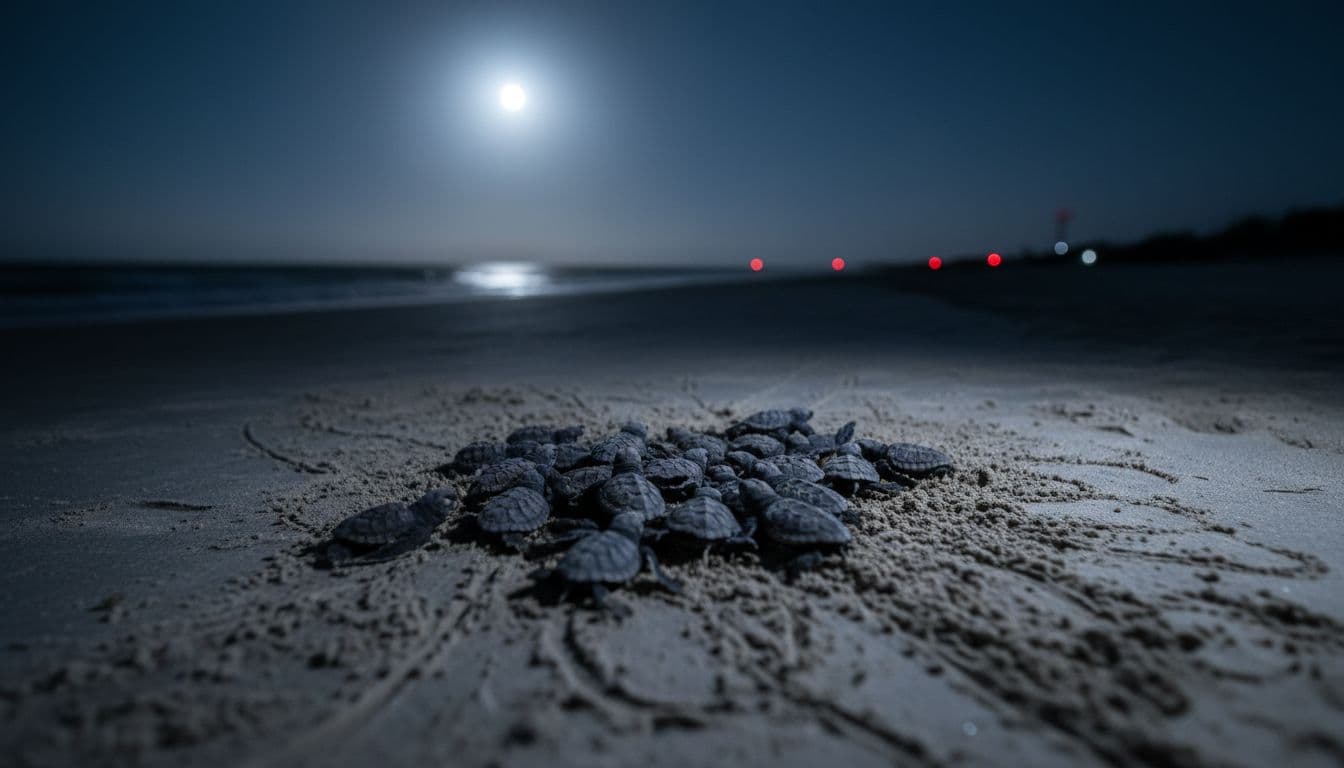
That is why night rules matter so much in Juno Beach. Keep porch lights low, close blinds, and use only approved, turtle-safe lighting when local rules call for it. If you are on the beach after dark, keep your phone away unless you need it, and never sweep the sand with a flashlight.
Hatchlings also face physical hazards. Deep holes, stacked chairs, coolers, and loose cords can all get in the way. Before you leave the beach, scan the area and make it smooth again. If you can tell where you sat, a turtle can probably get tangled there too.
A few extra steps help late in the season:
- Walk only where the beach is open and marked for use.
- Remove all beach gear before sunset.
- Avoid riding bikes or moving fast on the sand near nesting zones.
- Stay away from marked nests and do not step over them.
The whole point is to make the beach feel empty to a hatchling. That is when its instincts work best.
Planning a 2026 visit without missing the moment
Because timing changes from year to year, the smartest plan is a flexible one. Check current nesting updates before you visit, especially if you want to see a public turtle walk or arrive during peak hatchling weeks. Local conditions can shift fast after a storm, a high-tide cycle, or a busy nesting period.
For visitors staying nearby, the easiest days are often the quietest ones. Go early, keep your beach setup small, and respect the posted signs. If you are here with family, explain the rules before you step onto the sand. Kids usually follow the lead they are given, and simple instructions work better than long lectures.
If you also want to keep your day easy around town, get location directions before you head out. That can save time after a long beach walk, especially if you are trying to line up food, lodging, and a sunset stop without rushing.
The best Juno Beach visits are calm ones. You do not need to chase a perfect sighting. You just need to be in the right place, at the right time, with the right amount of respect.
Conclusion
Juno Beach gives you a rare chance to see sea turtles in a place that takes their protection seriously. The season usually runs from March through October, but 2026 began early, which is a good reminder that nature keeps its own schedule.
If you remember only one thing, make it this: distance and darkness protect turtles . Stay back, keep lights off, clean up your beach space, and let the animals move on their own. That simple approach makes your visit better, and it helps keep Juno Beach ready for the next nesting season too.