Arthur R. Marshall Loxahatchee Refuge Guide Near Juno Beach
If you live near Juno Beach and want a break from the coast, the Loxahatchee wildlife refuge gives you one of the easiest inland escapes. The drive is short, but the scenery changes fast, with sawgrass, quiet water, and wide open sky replacing traffic and storefronts.
Birding, walking, paddling, and slow photography all fit here. The trick is to plan for heat, trail conditions, and the kind of visit you want, because the refuge rewards people who move at a calm pace.
Start with the basics, then build the day around the light, the weather, and how much time you want outside.
Reaching the refuge from Juno Beach
From Juno Beach, the refuge feels close enough for a morning outing or a longer half-day trip. It sits inland west of Boynton Beach, so the route is simple, and the change in scenery happens almost immediately once you leave the coast.
A morning arrival usually works best. The air is cooler, wildlife is more active, and the trails feel quieter. At the time of writing, the refuge reports daily access, with the visitor center open from 9 a.m. to 4 p.m. and the refuge open from 5 a.m. to 10 p.m., although hours and access can change.
If you're new to the area, stop at the visitor center first. That gives you a current read on trail conditions, tram availability, and any program updates before you head farther in.
It helps to think of the visit as an outdoor loop rather than a single stop. You can walk, bike, watch the water, or stay long enough to catch a guided tour, depending on the day.
Trails, water routes, and boardwalk views
The refuge works well for people who want variety without a packed schedule. Hiking, biking, boating, canoeing, fishing, and wildlife viewing all fit here, so you can match the day to your energy level.
The Perimeter Levee Trail is a smart place to begin if you want steady footing and wide views. The open path makes it easier to scan the marsh, and the long sightlines help you spot birds without crowding the edge.
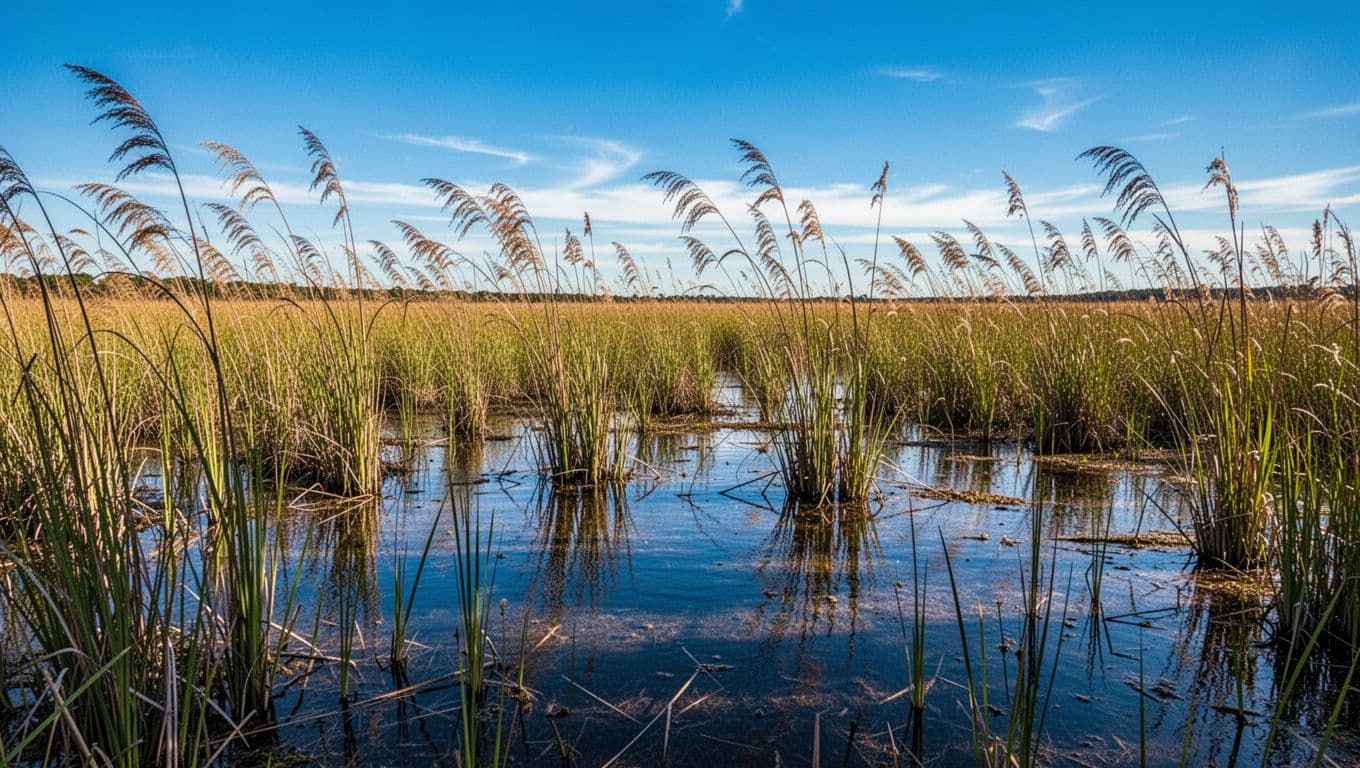
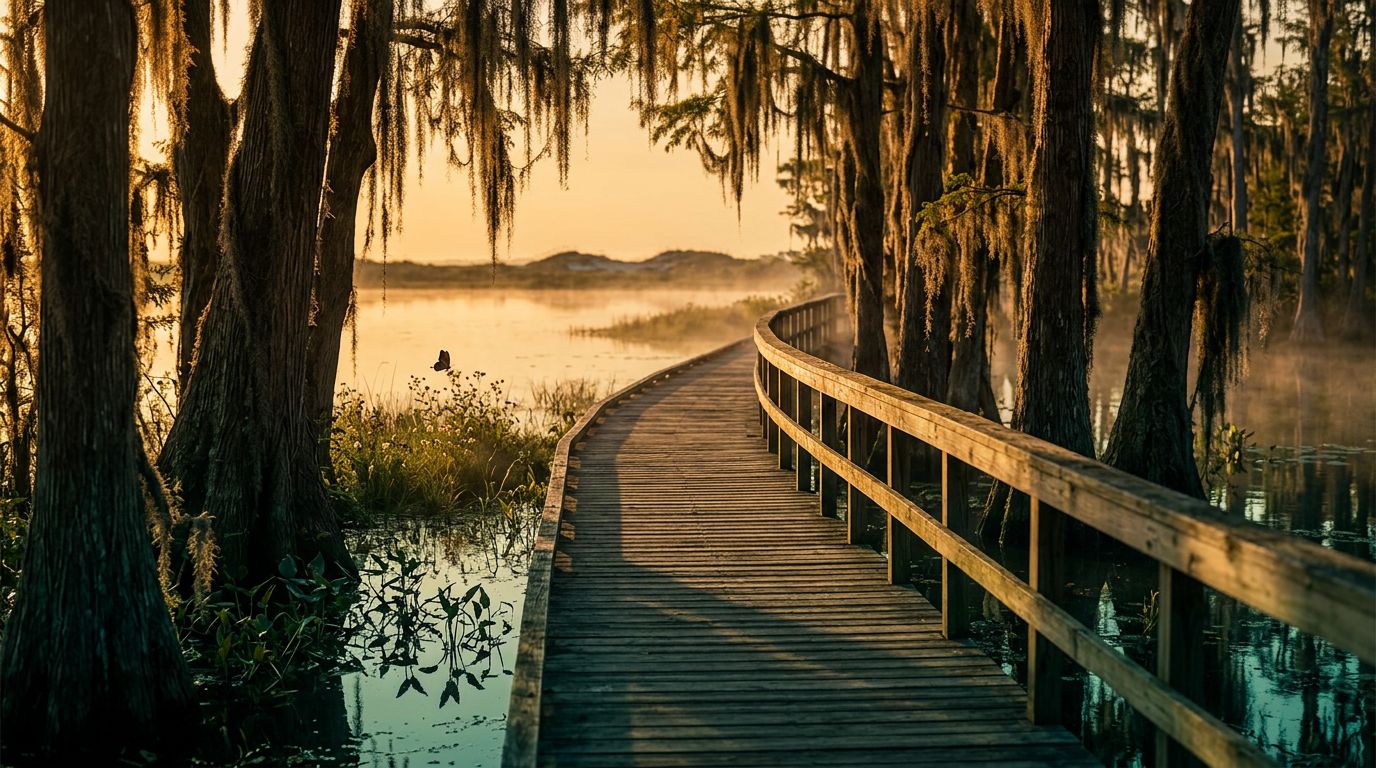
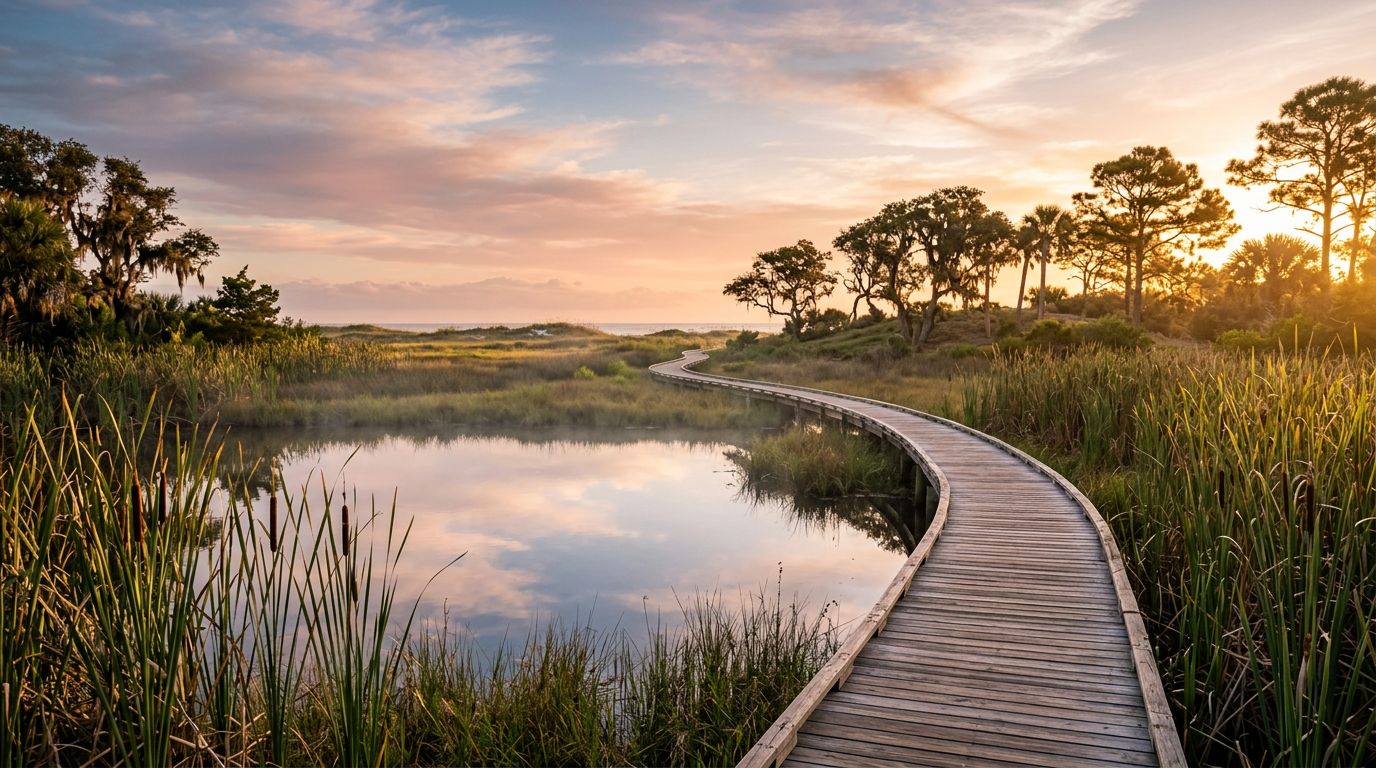
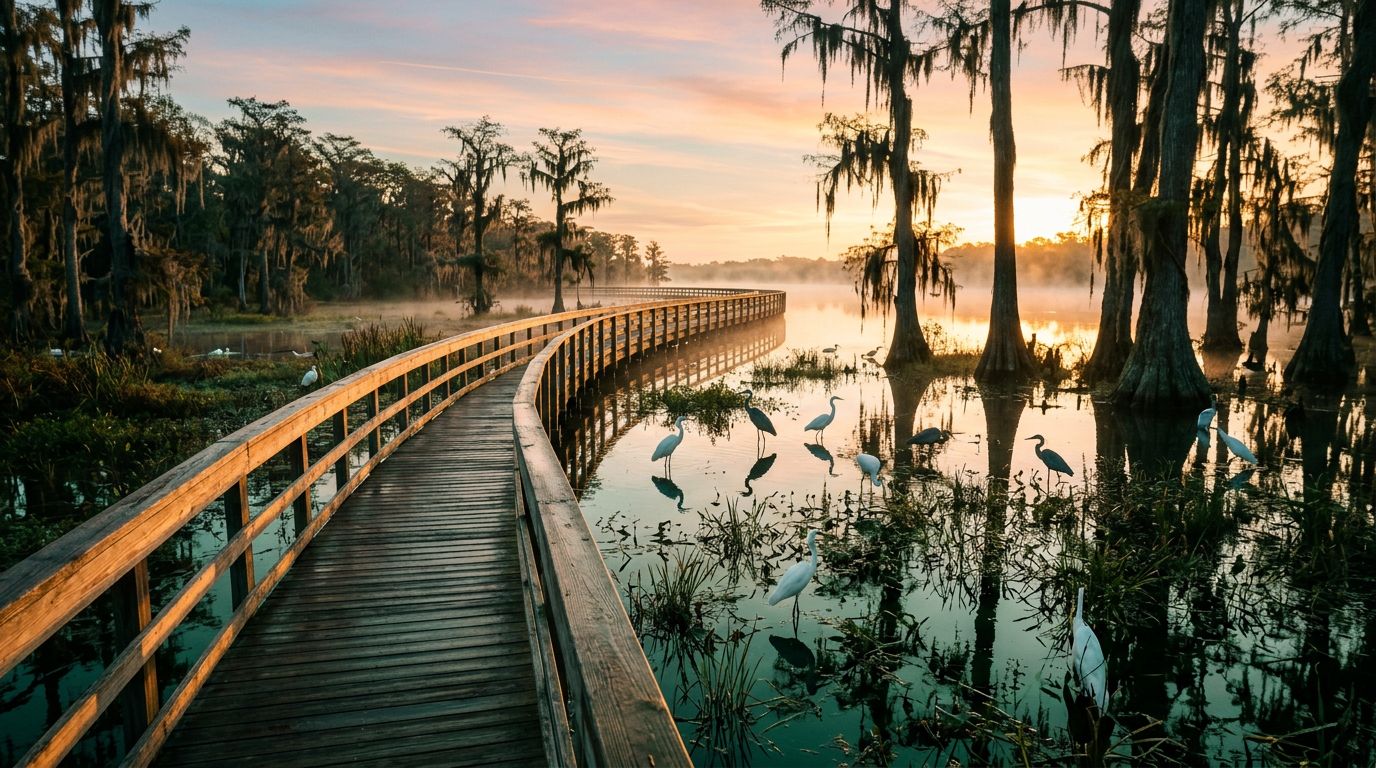
Raised paths and viewing spots add another layer to the experience. They let you stay above softer ground and still get a clear look across the marsh, which is helpful when the water is high or the footing feels damp.
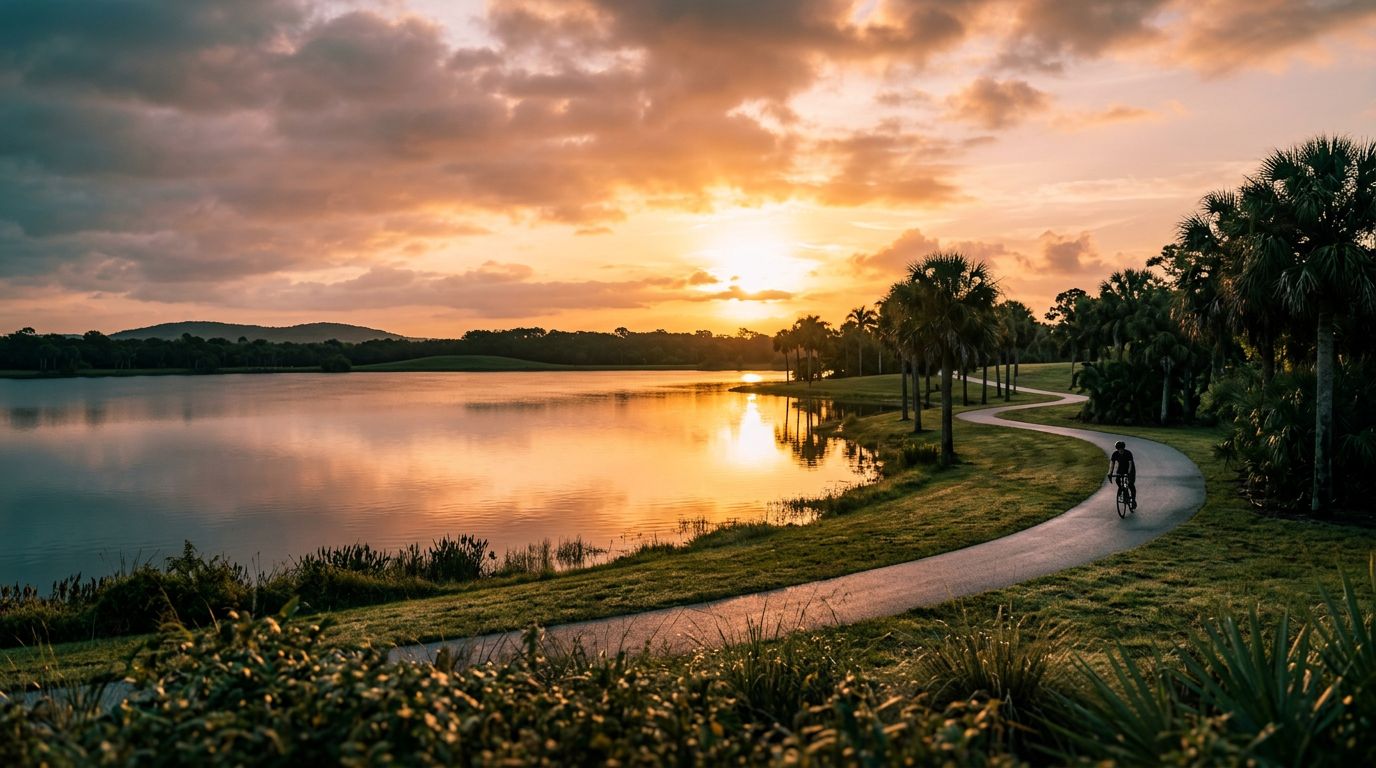
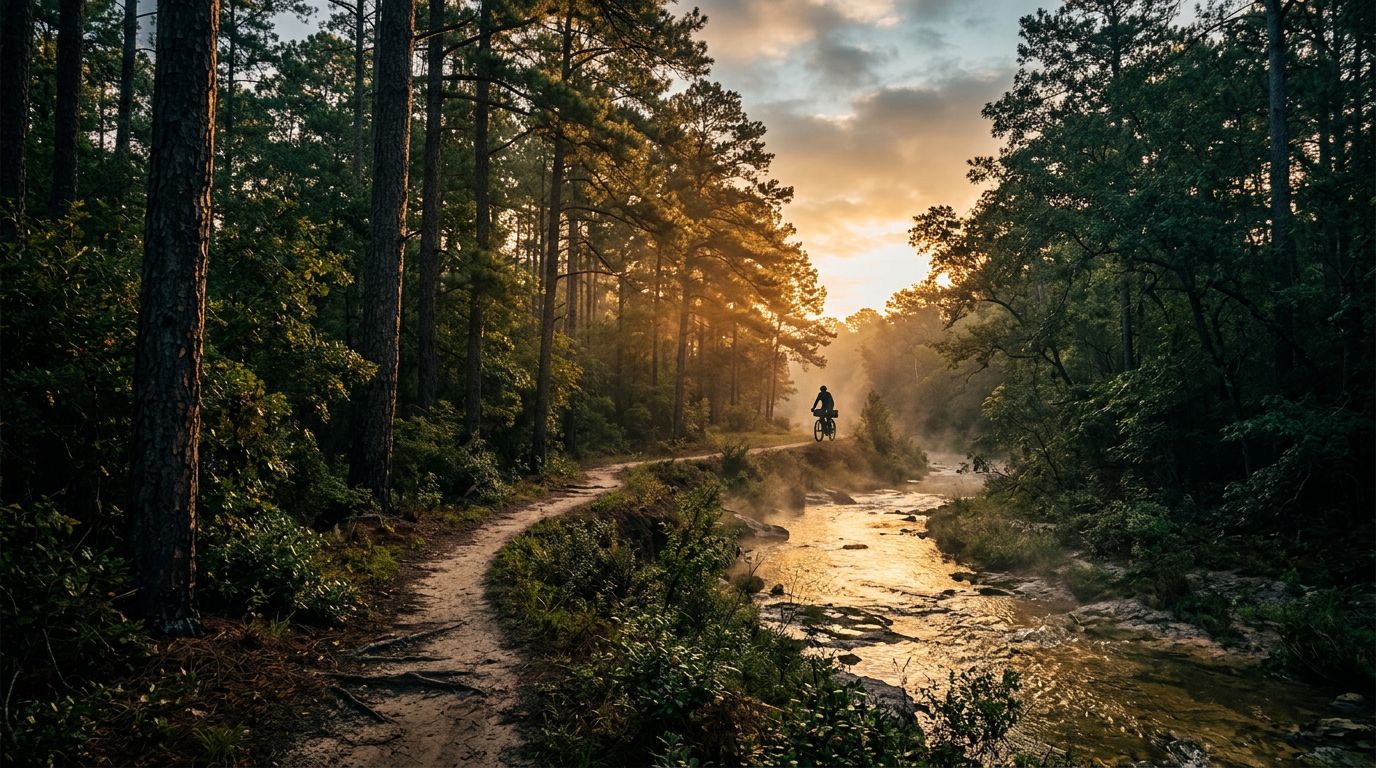
If you're bringing a bike, the open route can feel wider than it looks on a map. If you prefer water, calm mornings are ideal for paddling, because the surface often stays smooth and the wildlife is easier to notice along the edges.
Guided tram tours add a different pace. They work well when you want more context and less effort, but reservations are required and space is limited. If that fits your plans, book early and keep your timing flexible.
A slower pace helps here. The refuge gives up its best views to people who stop and look.
Birding and photography at Loxahatchee
Birding is one of the strongest reasons to visit the Loxahatchee wildlife refuge. Cooler months, especially October through April, bring better light, better movement, and more comfortable mornings for longer walks.
Early bird walks can start around 7:30 a.m., which tells you how much the refuge rewards early risers. Bring binoculars if you have them, because herons, egrets, and other wetland birds often stay far enough away to hide small details.
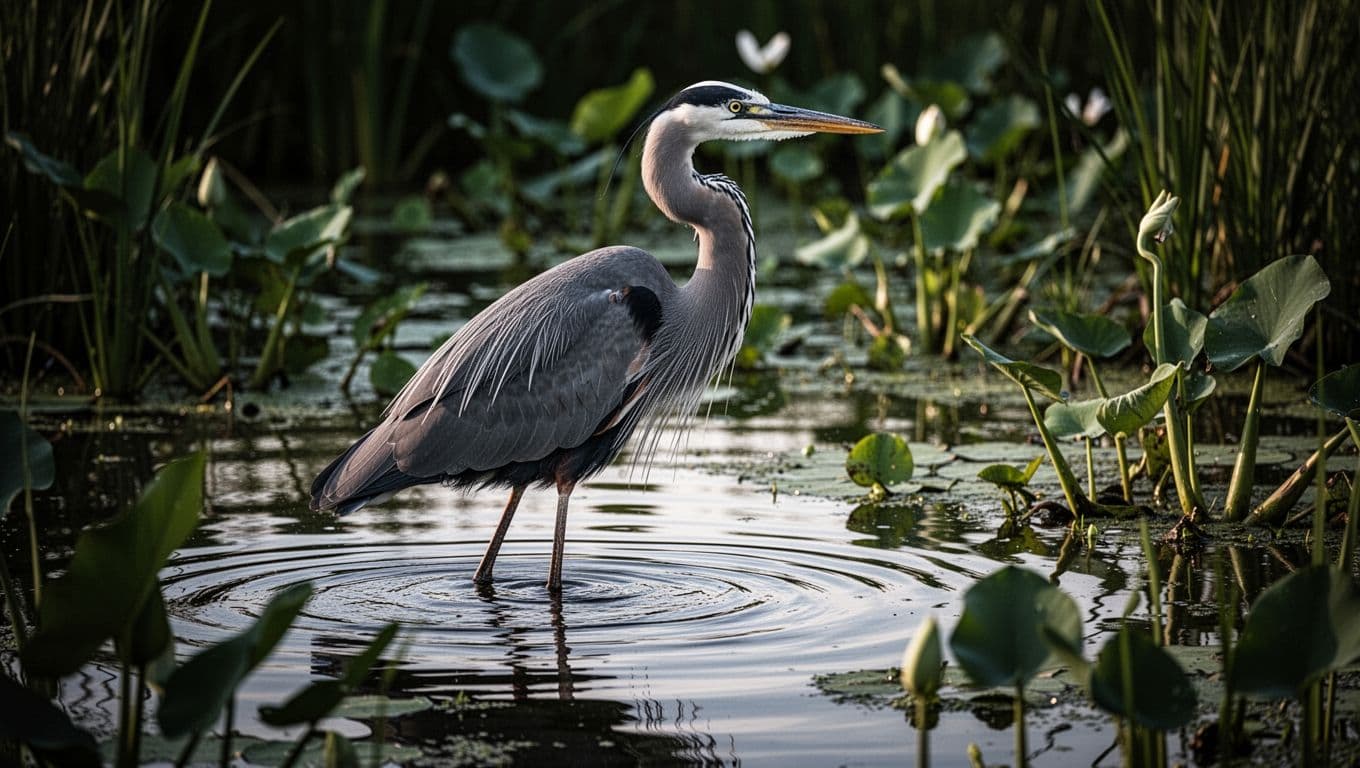
For photography, the best shots usually come when you slow down and stay patient. Reflections, still water, and birds standing in the shallows can turn a basic scene into a clean frame.
Morning light is usually the most forgiving. It softens the edges of the landscape and gives the water a clear surface, which helps if you're trying to capture the sky in the frame as well.
Keep your approach quiet and steady. Loud footsteps and quick moves can send birds off before you get a good look, so give yourself time to wait.
Seasonal planning that keeps the day comfortable
South Florida weather shapes the whole visit. Summer heat and humidity can wear you down quickly, while winter and early spring feel much easier for longer outings.
Bring the basics: water, sunscreen, a hat, insect repellent, and closed shoes with some grip. Those small choices matter more than fancy gear when the sun is high and the ground is damp.
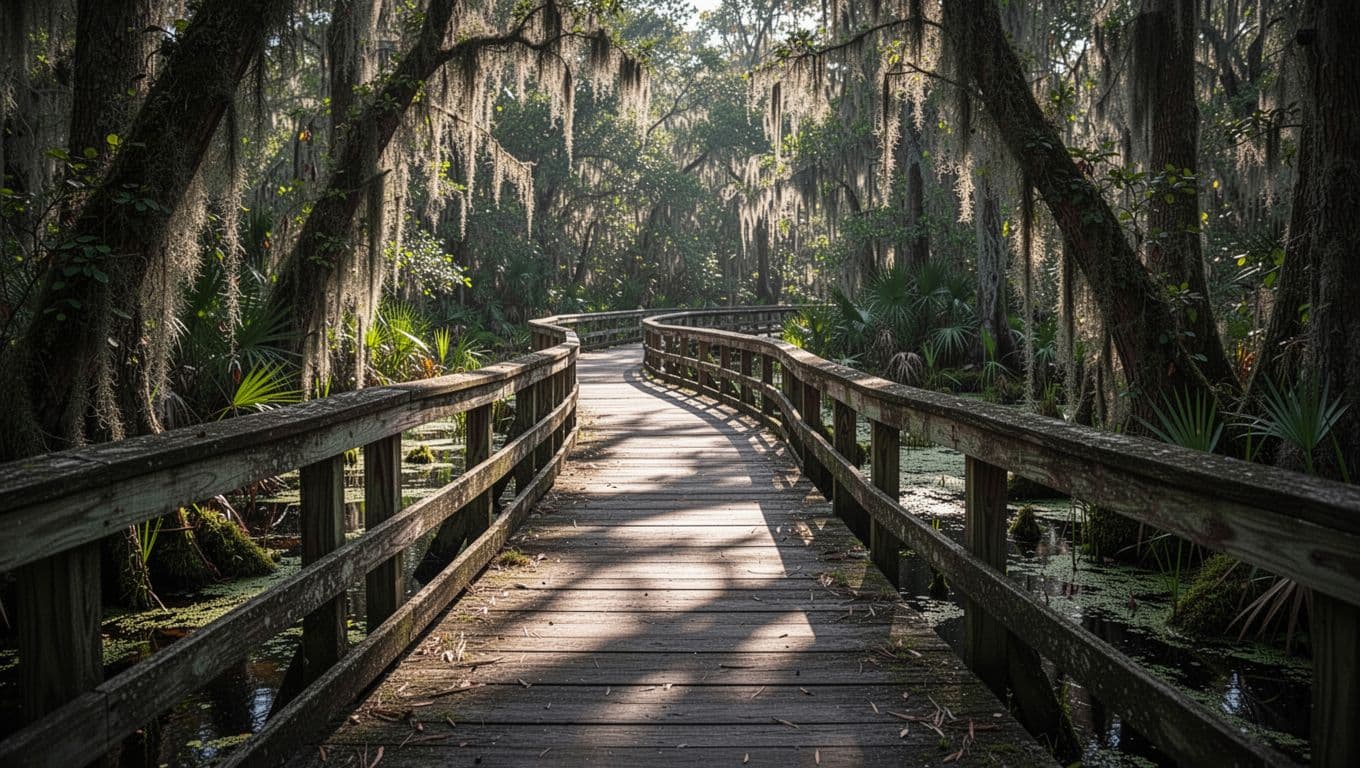
A short day pack keeps things simple.
- Water, because shade can be limited.
- Insect repellent, especially in warm months.
- A light snack, since the best sightings often come between long pauses.
- Binoculars or a zoom lens, if you want closer views without getting too near.
Pets are only allowed on the Perimeter Levee Trail , and they need a leash no longer than 6 feet. If you're bringing a dog, that rule matters before you leave Juno Beach.
If rain has passed through, check trail and road conditions before you go. That extra minute can save you a muddy start and help you choose the right shoes.
A few details worth checking before you go
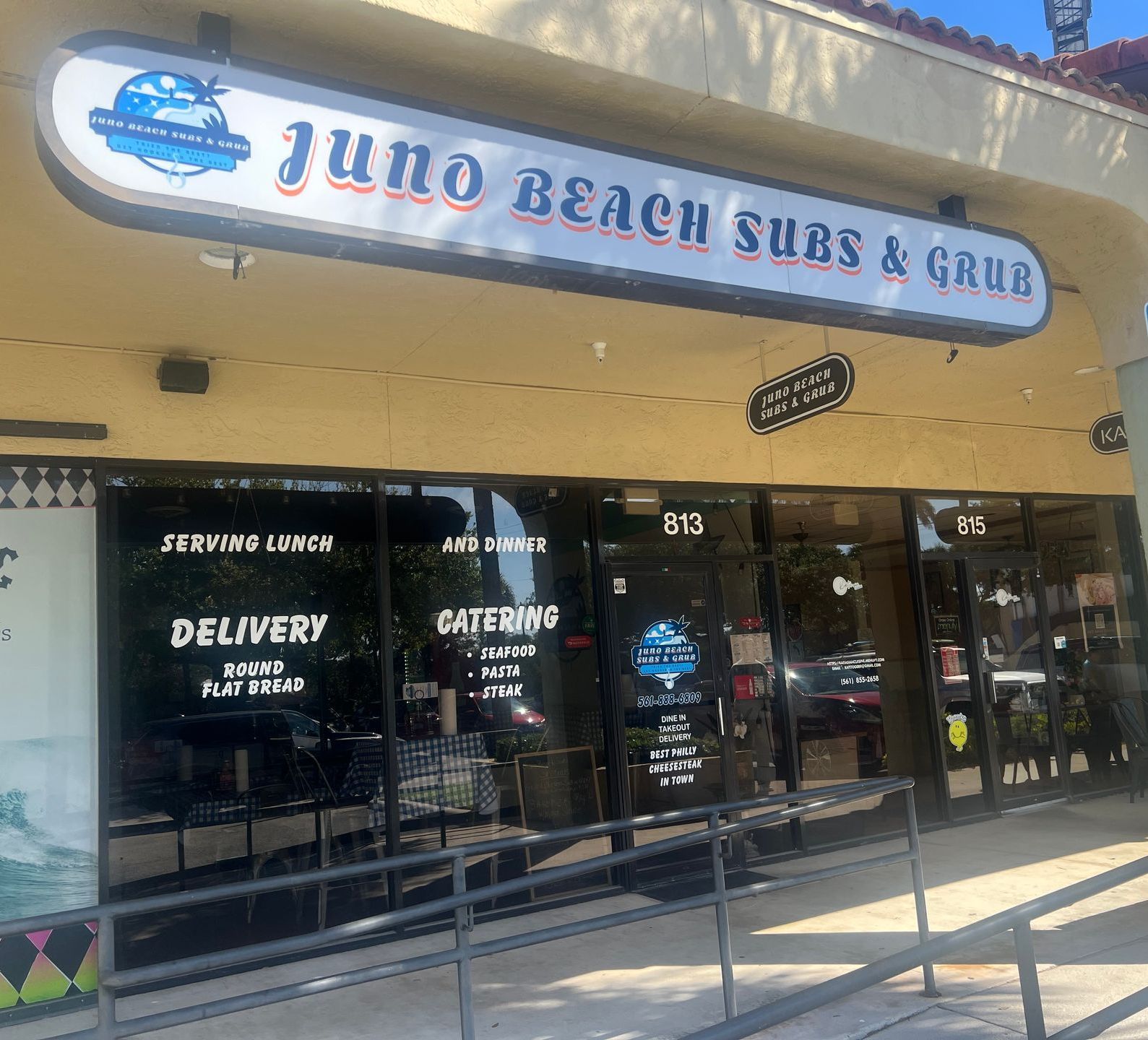
A little planning keeps the day smooth. If you're starting with breakfast or lunch in Juno Beach, order ahead so you can head inland without losing time.
For an easy takeout stop, explore our full menu and pick something that travels well, like a sub, wrap, flatbread, or pasta. A simple meal works well before a long walk or a quiet drive through the refuge.
Check current hours, trail status, and tram reservations before you leave. Small changes can affect the kind of visit you have.
At the time of writing, the refuge lists a modest day fee or an annual vehicle pass, but current rates can change. That makes a quick check before departure a smart habit, especially on weekends or during special programs.
Conclusion
The Arthur R. Marshall refuge gives Juno Beach visitors a different kind of South Florida day. Instead of surf and sand, you get sawgrass, open water, and a better chance to slow down.
The best visits start early, stay flexible, and match the weather. Whether you're there for birds, a bike ride, or a quiet paddle, the refuge feels more rewarding when you let it set the pace.
That calmer rhythm is the point. Once you find it, the drive inland feels short and the return trip feels easy.